Sana’a University Launches Ph.D. Program in Diplomacy and International Affairs
August 4, 2026
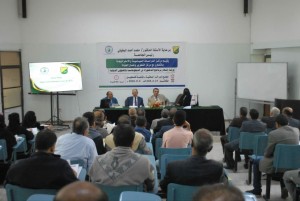
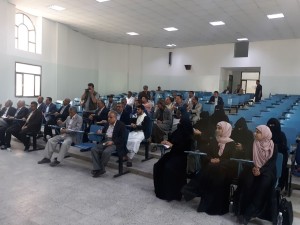
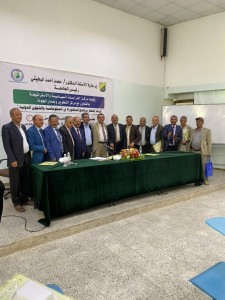
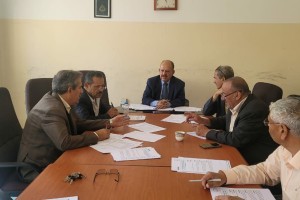
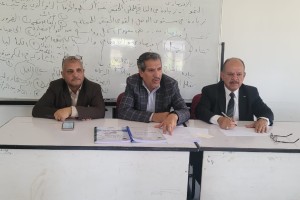
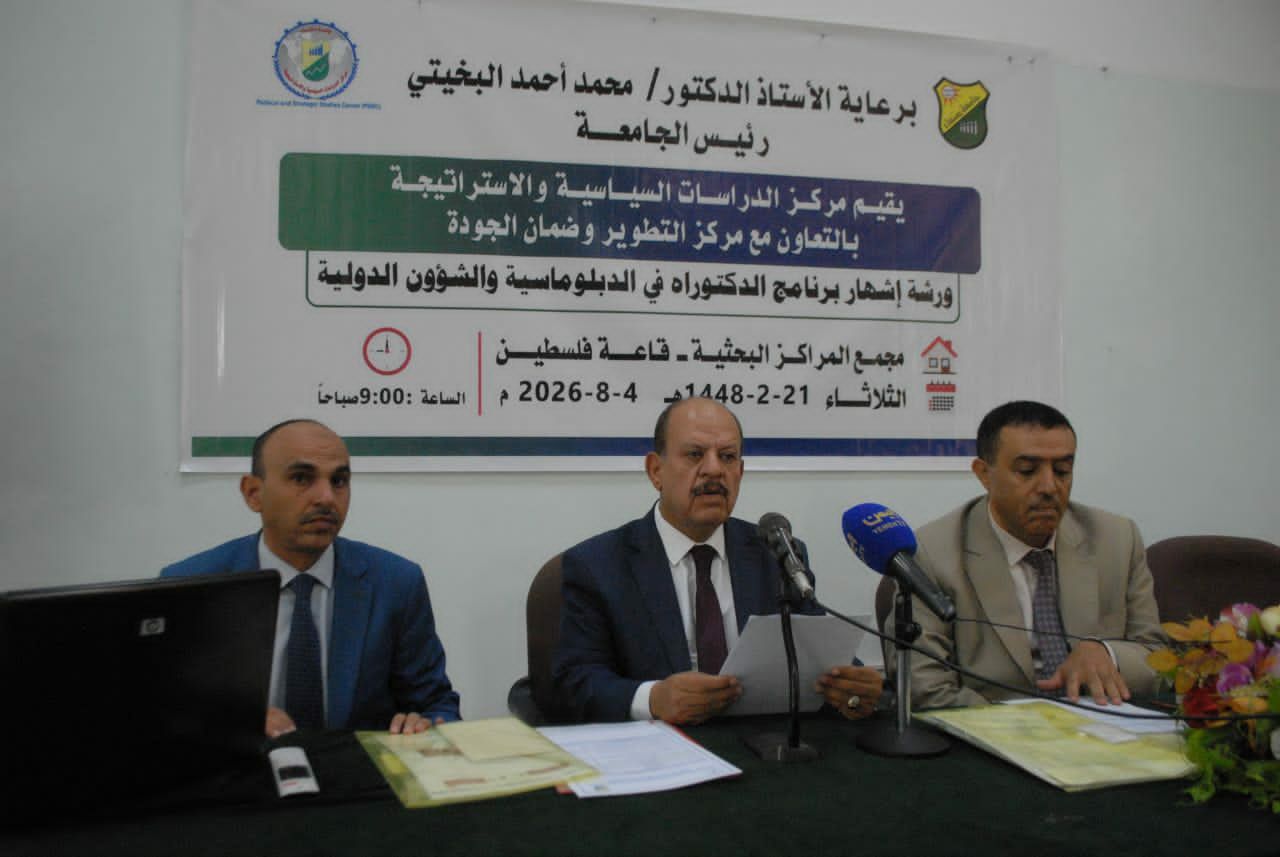
The Political and Strategic Studies Center (PSSC), in collaboration with the Academic Development Center and Quality Assurance (ADCQA) at Sana’a University, officially inaugurated its new Ph.D. Program in Diplomacy and International Affairs today during an academic launch workshop. The event brought together university leadership, scholars, strategic analysts, and diplomats from the Ministry of Foreign Affairs to review and discuss the program’s curriculum.
Designed as a flagship specialized program, the doctorate aims to train high-level scholars and practitioners in political science and international relations. Through a modernized curriculum, the program prepares graduates to navigate evolving global dynamics and meet the institutional demands of research centers, diplomatic missions, and international bodies.
Key Highlights from the Workshop:
• Advancing Scientific Research and Decision-Making: Dr. Zaid Al-Warith, Assistant to the University Rector for Scientific and Research Centers, highlighted that the program will serve as a strategic think-tank environment. It aims to provide decision-makers with evidence-based policy recommendations addressing national political and diplomatic challenges. He also praised the active partnership with the Ministry of Foreign Affairs in aligning the curriculum with professional requirements.
• Sovereignty, National Identity, and Critical Skills: Dr. Huda Al-Emad, Dean of the Academic Development Center and Quality Assurance (ADCQA), emphasized the program’s focus on building analytical capacity in core national security and sovereignty issues. She noted that effective diplomacy must be grounded in national identity while equipping scholars with critical thinking skills to analyze global political terminology and safeguard national interests.
• Navigating Global Transformations: Dr. Hussein Mutahar, Director of the Political and Strategic Studies Center (PSSC), remarked that the launching of this program comes at a time of profound geopolitical shifts. He underscored the necessity of preparing experts capable of strategic forecasting, analyzing international power relations, and providing intellectual leadership within Yemen’s academic landscape.
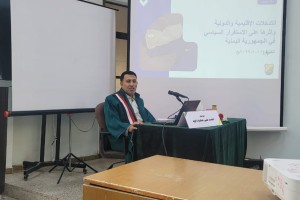
During the workshop, Dr. Ahmed Al-Raidi, Quality Assurance Coordinator for University Centers, presented a comprehensive overview of the program’s framework, mission, and learning outcomes. The presentation was followed by a panel discussion featuring input from ambassadors and senior diplomats to refine the curriculum and ensure high academic and professional standards.