Master’s Degree Awarded to Researcher Azizah Hazza with Distinction in Holy Quran and Its Sciences
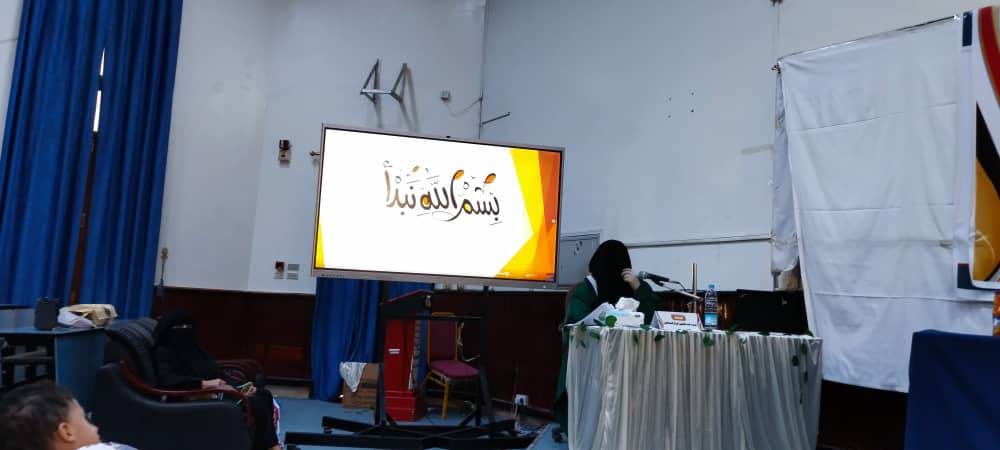
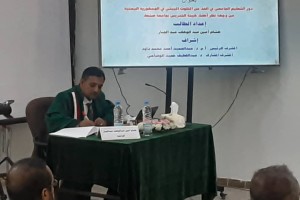
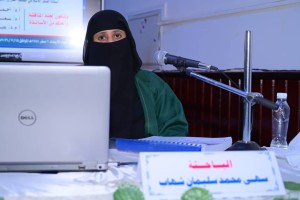
Researcher Azizah Abduljalil Hazza was awarded a Master’s Degree in Holy Quran and Its Sciences with an average of Excellent and a grade of (95%) for her thesis titled: The Concepts of Heaviness and Lightness in the Light of the Holy Qur’an and Their Educational Implications: A Thematic Study, which was submitted to the Department of the Holy Qur’an and Its Sciences, Faculty of Education – Sana’a University. The MA defense was held on Wednesday, July 15, 2026.
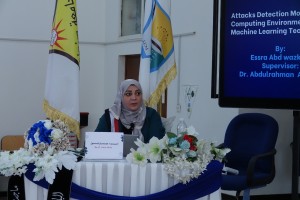
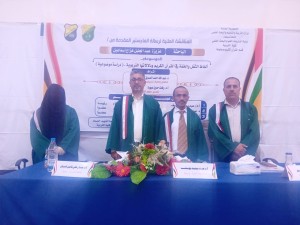
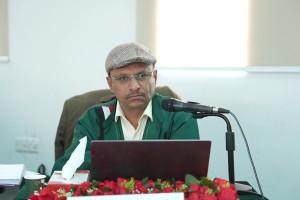
The MA Viva-voce Committee, which was formed based on a resolution issued by the Graduate Studies and Scientific Research Council, consisted of the following:
| # | Committee Members | Designation | Position |
| 1 | Prof. Abdu Mohammed Yusuf | Internal Examiner | Chair |
| 2 | Assoc. Prof. Abdullah Ahmed Al-Siddiq | Main Supervisor | Member |
| 3 | Assoc. Prof. Hassan Ali Naji Sharyan | External Examiner | Member |
The study aimed to identify all occurrences of the concepts of heaviness and lightness, together with their derivatives, in the Holy Qur’an, examine their lexical and contextual meanings through Qur’anic exegesis, Arabic dictionaries, and works on Qur’anic equivalents and parallels, and derive their educational implications.
The findings revealed that terms derived from heaviness occur 14 times across 28 Qur’anic passages, while terms denoting lightness appear 8 times in 18 passages. The study analyzed the lexical and contextual meanings of these concepts and concluded that the educational implications derived from them can contribute significantly to shaping individual and societal behavior and addressing a range of educational and social challenges when effectively applied by families and educational institutions.
The study recommended that parents, educators, and educational institutions give greater attention to implementing the educational implications derived from the Qur’anic concepts of heaviness and lightness and incorporate them into educational, religious, and cultural programs to address contemporary issues such as frivolity, recklessness, behavioral deviance, and a diminished sense of responsibility.
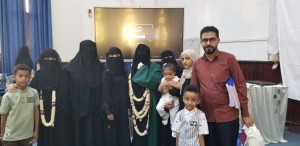
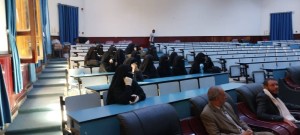
The thesis defense was attended by faculty members, researchers, students, and interested participants as well as the researcher’s colleagues and family members.