PhD Degree Awarded to Mr. Mohammed Al-Ezzi in Managerial Accounting
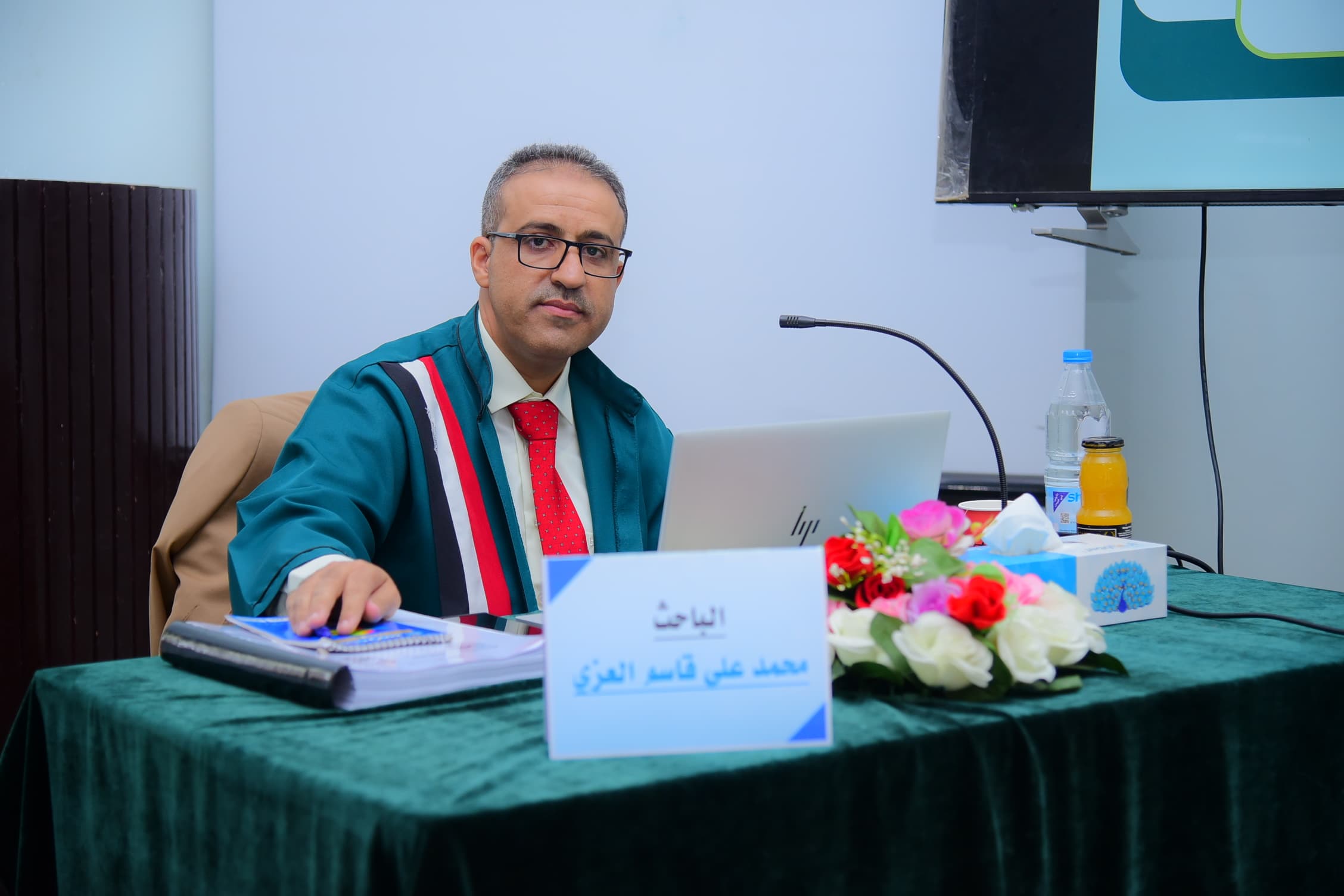
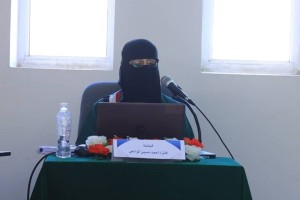
Mr. Mohammed Ali Qasem Al-Ezzi was awarded a PhD degree in Managerial Accounting for his dissertation titled “The Role of Governance Mechanisms in Evaluating and Controlling the Performance of the General Authority for Zakat in the Republic of Yemen: A Proposed Model,” which was submitted to the Center for Economic and Financial Studies and Research at Sana’a University. The dissertation defense was held on Monday, June 2, 2025.

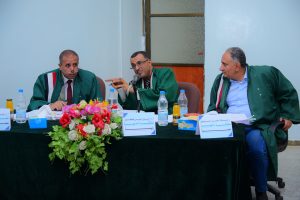
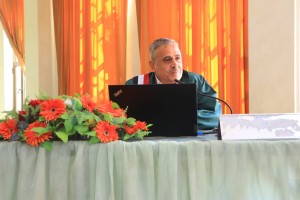
The PhD Viva-Voce Committee, which was formed based on a resolution issued by the Graduate Studies and Scientific Research Council, consisted of the following:
| # | Committee Members | Designation | University | Position |
| 1 | Dr. Muneer Ali Mudhesh Qahtan | External Examiner | Taiz University | Chair |
| 2 | Dr. Abdulghani Ahmed Abdullah Doman | Main Supervisor | Police Academy | Member |
| 3 | Dr. Manaf Ahmed Ali Al-Dailami | Internal Examiner | Sana’a University | Member |
The study aimed to assess the current practices of the General Authority for Zakat as a foundation for developing a proposed model to measure the role of governance mechanisms—namely, the Board of Directors, Audit Committee, Internal Audit, and External Audit—in evaluating and controlling performance. The research also sought to understand the extent to which employees of the Authority recognize the importance of governance mechanisms in performance evaluation and to explore governance frameworks in line with relevant local and international laws, regulations, and standards.
The study yielded several significant findings regarding the evolution of grammatical thought in the work of Al-Mubarrad. These include:
The study yielded several key findings. It stated that the proposed model significantly enhances efficiency and transparency by focusing on strategic objectives, policy development, training, and the use of technology. The model is expected to improve the overall performance of the Authority, enabling it to achieve greater societal impact through the activation of governance mechanisms. Furthermore, the research confirmed the positive role of these governance dimensions in improving the effectiveness, efficiency, and economic control of performance at the General Authority for Zakat in Yemen.
The research presented a number of significant recommendations. It suggested that the General Authority for Zakat should adopt the proposed model as a strategic tool for improving and developing its performance. Implementation of the model is anticipated to enhance the Authority’s ability to achieve its strategic objectives, build public trust among Zakat payers and the community, promote transparency and accountability, and offer solutions to existing challenges, which will ensure the sustainability of the Authority’s operations.
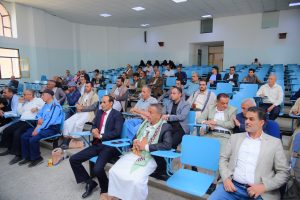
The defense dissertation was attended by fellow researchers, academics, colleagues, interested professionals, and members of the researcher’s family.