Master’s Degree Awarded to Mr. Abdulfattah Musaad Al-Huwaidi in Quranic Studies
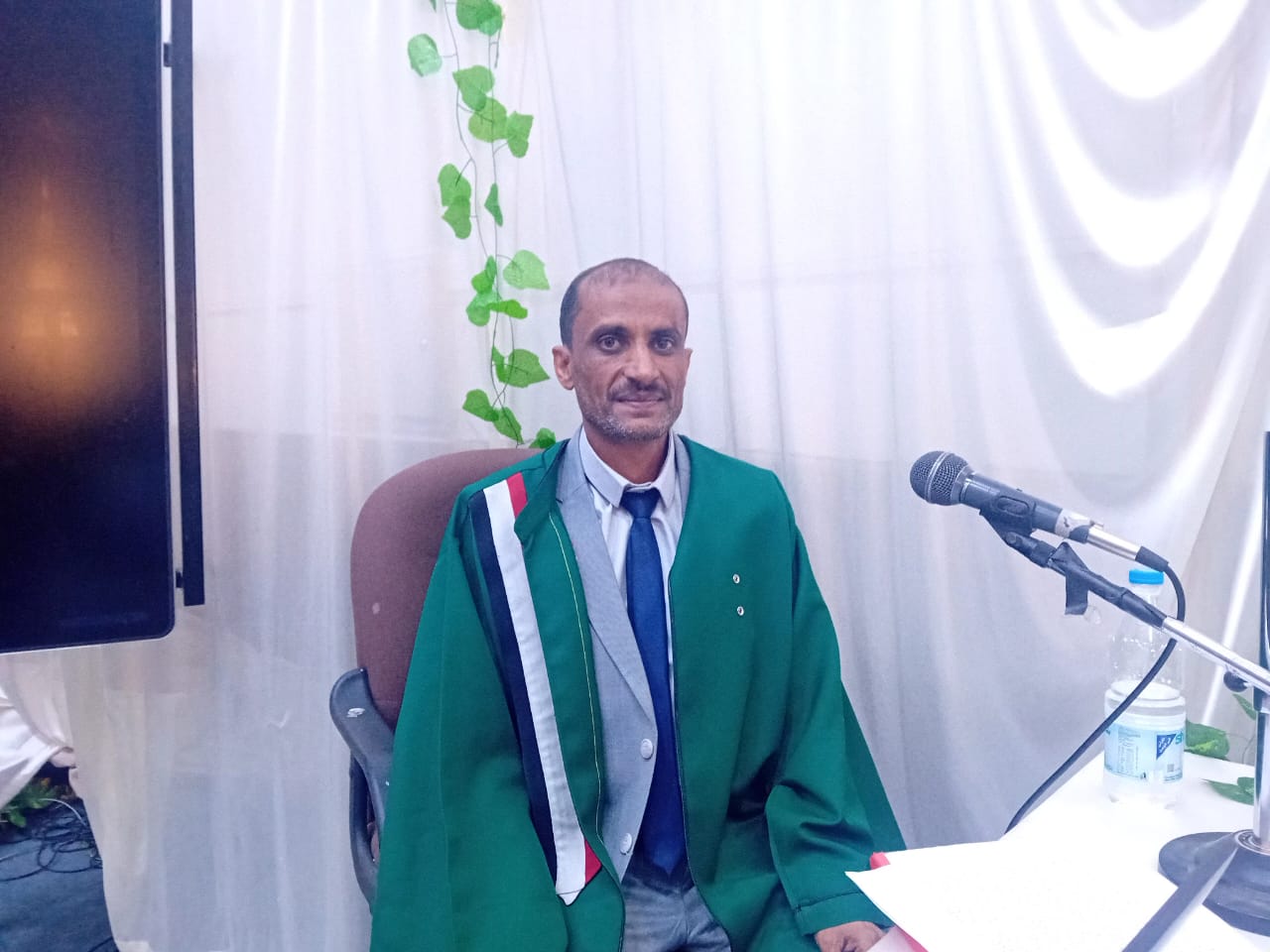
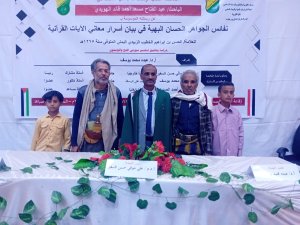
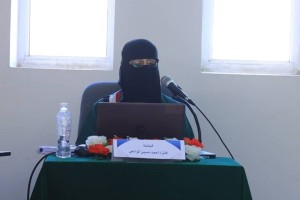
Mr. Abdulfattah Musaad Ahmed Al-Huwaidi was awarded a Master’s Degree in Quranic Studies with an average of excellent for his thesis titled: Nafaʾis Al-Jawahir Al-Ḥisan Al-Bahiyya fi Bayan Asrar Maani Al-Ayat Al-Quraniyya by Scholar Al-Ḥasan ibn Ibraheem Al-Khaṭib Al-Zabidi Al-Yamani (d. 1265 AH): A Critical Study and Investigation of Surat Al-Ḥajj and Al-Muminun, which was submitted to the Department of Quranic Studies and Sciences, Faculty of Education – Sana’a University. The MA defense was held on Thursday, January 22, 2026.
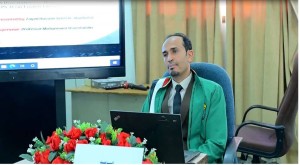
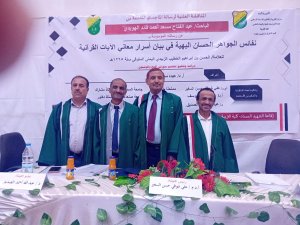
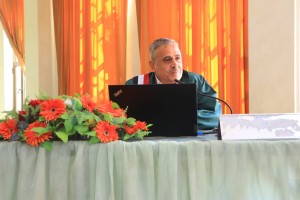
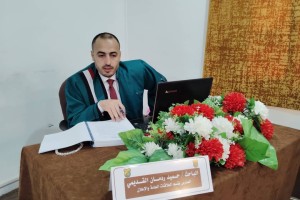
The MA Viva-voce Committee, which was formed based on a resolution issued by the Graduate Studies and Scientific Research Council, consisted of the following:
| # | Committee Members | Designation | Position |
| 1 | Assoc. Prof. Ali Shawqi Hassan Al-Saghir | External Examiner | Chair |
| 2 | Prof. Abdu Mohammed Yusuf | Main Supervisor | Member |
| 3 | Assistant Prof. Abdullah Ahmed Al-Siddiq | Internal Examiner | Member |
The study aimed to:
- Highlight the author’s scholarly efforts and present his methodology in Quranic exegesis, recitation studies, Qur’anic sciences, linguistics, and rhetoric.
- Clarify the ways in which his work can be utilized.
- Identify his sources and discuss his views where necessary.
The findings of the study showed that:
- The scholarly environment in which the scholar Al-Hasan ibn Ibraheem Al-Khatib Al-Zabidi Al-Yamani was raised played a significant role in shaping his academic personality, building his knowledge, and establishing his scholarly status.
Based on these findings, the researcher recommended the following:
- Conducting further research and exploration of Yemeni Islamic heritage in Yemeni and international libraries, and encouraging its critical editing and publication.
- Encouraging researchers to investigate the author’s legacy, particularly if he has other works that have not yet been studied or edited.
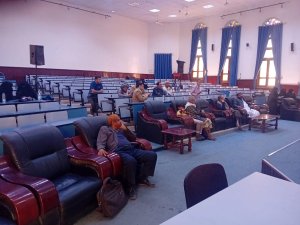
The defense session was attended by a number of academics, researchers, students, colleagues, and the researcher’s family.