Master’s Degree Awarded to Mr. Marwan Mutea Naji Musleh in Hematology

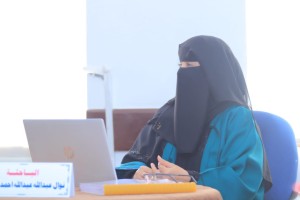
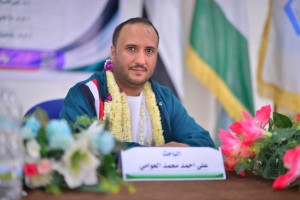
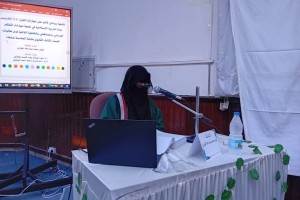
Mr. Marwan Mutea Naji Musleh was awarded a Master’s Degree in Hematology and Blood Transfusion with an average of Very Good and a grade of (89) for his thesis titled: Prevalence of Iron Deficiency among Adult Patients with Heart Failure in Cardiac Centers in Yemen – Sana’a, which was submitted to the Department of Hematology, Faculty of Medicine and Health Sciences – Sana’a University. The MA defense was held on Saturday, April 11, 2026.
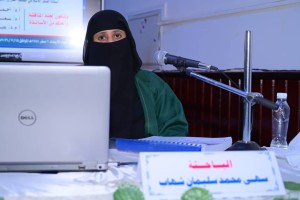
The MA Viva-voce Committee, which was formed based on a resolution issued by the Graduate Studies and Scientific Research Council, consisted of the following:
| # | Committee Members | Designation | Position |
| 1 | Prof. Mohammed Abdulqader Al-Nuzaili | Internal Examiner | Chair |
| 2 | Prof. Ahmed Qaed Salem | Main Supervisor | Member |
| 3 | Prof. Fouad Ahmed Balkam | External Examiner | Member |
The thesis aimed to:
- Determine the prevalence of iron deficiency among patients with heart failure in cardiac centers in Sana’a.
- Compare the prevalence of iron deficiency among patients with and without anemia.
The study yielded several key findings summarized as follows:
- Iron deficiency is highly prevalent among heart failure patients in Sana’a, affecting approximately two-thirds of the studied sample.
- It often occurs independently of anemia, indicating it as a distinct clinical condition.
- A significant association was found between iron deficiency and clinical indicators of disease severity, including reduced cardiac function and signs of congestion.
In light of these findings, the researcher recommended the following:
- Conducting routine screening for iron levels among heart failure patients in cardiac
- Utilizing serum ferritin levels and transferrin saturation as primary diagnostic
- Integrating the assessment of iron deficiency into heart failure treatment protocols to monitor treatment response and symptom improvement.
The defense session was attended by a number of academics, researchers, students, colleagues, and the researcher’s family.