Sana’a University’s Water and Environment Center Explores Strategic Collaboration with IFRC
SANA’A, Yemen – Monday, February 2, 2026 (14 Sha’aban 1447 AH)
The Water and Environment Center (WEC) at Sana’a University hosted a high-level delegation from the International Federation of Red Cross and Red Crescent Societies (IFRC) today to discuss joint cooperation and capacity-building initiatives in the water sector.
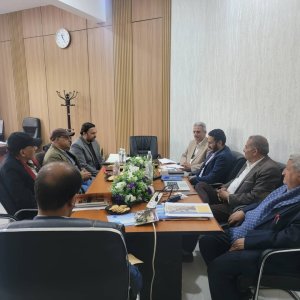
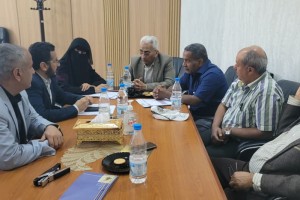
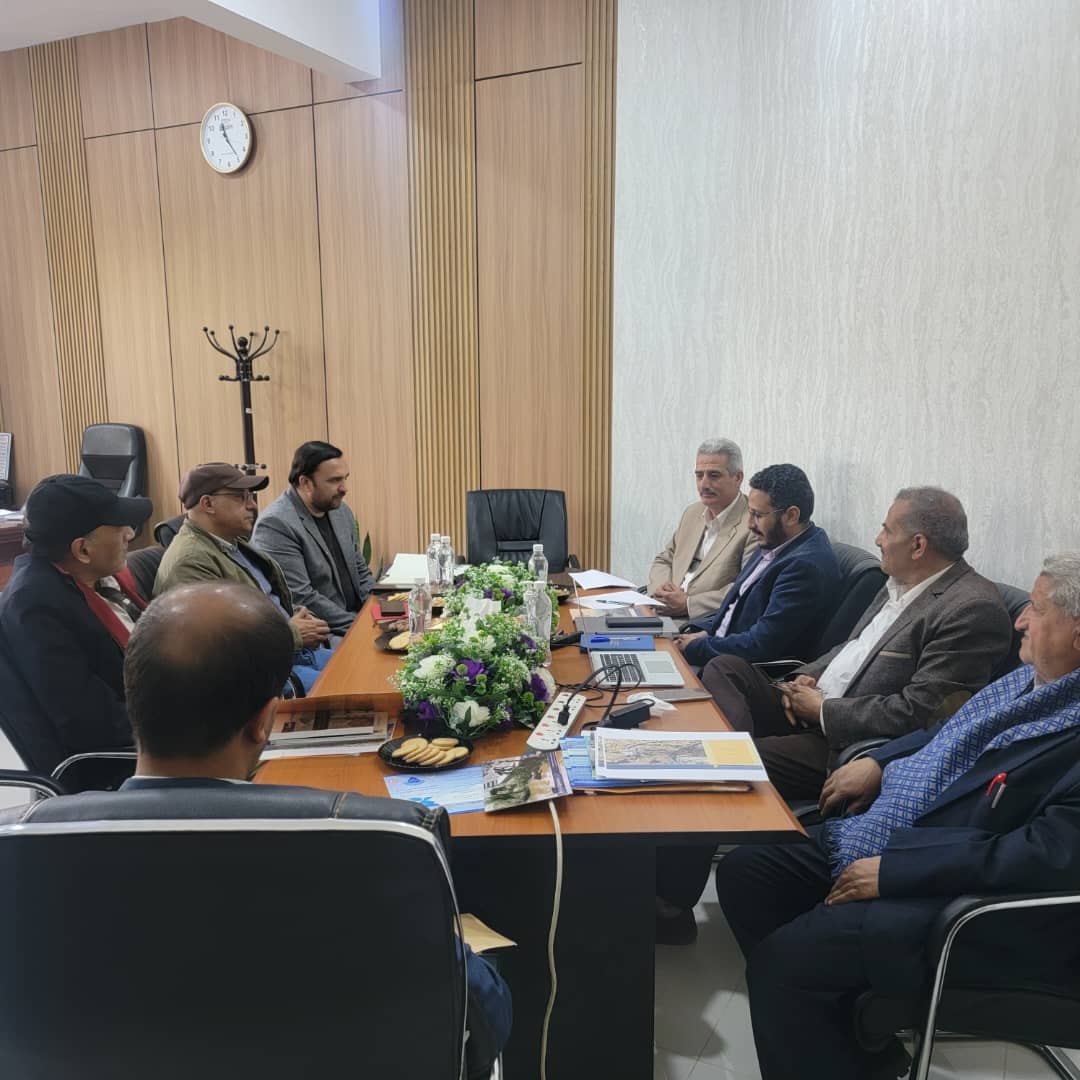
Eng. Mohamed Bilal, the IFRC Representative in Yemen, visited the center where he was received by WEC Director Dr. Taha Al-Weshali. The meeting was also attended by Prof. Zaid Al-Wareeth, Vice Rector of Sana’a University for Centers Affairs, and the WEC deputy directors.
The primary objective of the visit was to explore avenues for collaboration, specifically regarding the implementation of specialized training programs for staff at Local Water and Sanitation Corporations across various governorates. Discussions focused on enhancing water resource management and development, as well as improving the technical and financial performance of these vital institutions.
During the visit, the IFRC representative was briefed on the WEC’s scientific facilities and training infrastructure. The delegation reviewed the center’s pivotal role in building national capabilities within the water and environment sectors, noting its contribution to humanitarian and development efforts amidst Yemen’s increasing water challenges.
The meeting saw participation from key industry figures, including Eng. Sami Fayea, Deputy Director for Technical Affairs at the Local Water and Sanitation Corporation, and Eng. Ali Jaadal, Water Coordinator at the Red Crescent. They were joined by a group of academics and experts from the WEC faculty members.
The attendees discussed critical challenges facing water and sanitation corporations, outlined priorities for institutional capacity building, and examined mechanisms for executing the proposed training schemes. The ultimate goal of these initiatives is to raise the efficiency of the workforce and improve the overall management of water resources.
The meeting concluded with a consensus on the importance of fostering partnerships between academic institutions, government bodies, and international organizations. The attendees emphasized that such collaboration is a fundamental pillar for knowledge transfer, capacity building, and achieving long-term sustainability in the water sector.