
Faculty of Mass Communication
Faculty of Mass Communication | SU
Faculty of Mass Communication | SU
Bachelor’s Degree of Journalism and Electronic Publishing
The Department of Journalism and Electronic Publishing has intensified its efforts in curriculum development by continuously reviewing, updating, and refining course specifications and descriptions, with a strong emphasis on practical and applied learning. This approach ensures alignment with the demands of the labor market and aligned with the evolving trends in both print and digital journalism.
Through courses in digital layout and design, graphic design, photography, and field reporting, students acquire hands-on experience using modern equipment and technologies.
Furthermore, the Department has coordinated with leading press and media institutions to provide students with field training opportunities and professional internships. This practical training is the key factor behind the high demand for our graduates in the labor market, where they are highly valued as editors and correspondents, not only in Yemen but also by major Arab broadcasting networks.
To achieve national and regional leadership in the teaching of journalism and electronic publishing sciences.
To prepare outstanding journalistic professionals who adhere to professional and ethical standards, meet academic quality requirements, and possess the competencies necessary to compete effectively at the local and regional levels.
1. To equip students with knowledge of modern journalistic concepts and theories that keep pace with scientific and technological advancements in the fields of journalism, media, and communication.
2. To prepare highly skilled journalism professionals who are on par with the outputs of journalism programs at local and regional universities.
3. To equip students with media criticism skills, enabling them to analyze challenges and innovate effective solutions to address them.
4. To enable students to conduct journalistic and media research.
5. To establish partnerships with various media institutions in society, enabling students to apply and practice journalistic work.
6. To supply local and regional communities with journalistic competencies that contribute to the achievement of comprehensive development.
The Master’s program in Journalism and Electronic Publishing is an academic program that has undergone comprehensive modernization and continuous development through meticulous planning by the Department, based on established academic and scientific standards. Graduates of this program are equipped with the knowledge, skills, and competencies required to pursue successful careers as university lecturers, professional journalists, and academic researchers in the field of digital journalism and electronic publishing.
To establish a high-quality educational environment in both print and electronic journalism, achieve outstanding quality standards and research services, and contribute to the achievement of sustainable development goals.
1. To provide the Yemeni society with highly qualified journalists in the field of journalism and media, enabling them to conduct theoretical and applied research to serve local communities.
2. To build and strengthen the relationship between the program and academic institutions, media organizations, and external entities, in a manner that does not conflict with Qur'anic culture and the faith-based identity of society, to ensure constructive interaction and the exchange of knowledge and expertise.
3. To equip students with up-to-date insights into journalism and media research theories, contemporary journalistic trends, ethical considerations, and societal impacts.
4. To align advanced academic qualifications with community service and the needs of the labor market in academic and journalistic institutions, within the framework of national goals and policies for human resource development.
5. To encourage local research production in the field of journalism and media, providing studies and consultancy services to various public and private media institutions.
6. To provide Yemeni journalists with opportunities for advanced education locally, thereby reducing the State’s financial burden associated with overseas higher education expenditures.
Admission and Registration Requirements:
In accordance with Articles 13 & 12 of the Prime Minister’s Resolution No.(40) of 2008 concerning the Graduate Studies System in Yemeni Universities.
First: Admission Requirements
• Applicants must hold a Bachelor’s degree in Mass Communication, majoring in Journalism and Electronic Publishing, from a recognized Yemeni university or another accredited institution, with a minimum average grade of "Very Good".
• Successfully pass the entrance examinations determined by the Council.
• Achieve a minimum score of 480 on the TOIFL exam, pass the Arabic language exam specifically designed by the University for this purpose, and pass the ICDL computer skills.
• Fulfill any additional requirements specified by the Department, Faculty, and Graduate Studies Councils, ensuring they align with the provisions outlined in the Graduate Studies Regulations of Sana’a University.
• Pay the prescribed tuition fees for the Master’s program.
• Have no record of expulsion from any other university due to disciplinary reasons.
• Admission to two study programs simultaneously is not permitted.
The PhD Program in Journalism and Electronic Publishing has been designed to achieve academic and scientific leadership and excellence at both the local and international levels through the preparation and development of a new generation of distinguished researchers and academics in the field of digital journalism and communication studies. Graduates will be equipped with the knowledge and skills necessary to enhance the performance efficiency of academic institutions and public and private media organizations, produce original and innovative scientific research, contribute to community service, and address academic and professional research needs.
To prepare and qualify a new generation of distinguished researchers and academics in the field of digital journalism and communication studies. Graduates will be equipped with the knowledge and skills necessary to enhance the performance efficiency of academic institutions and public and private media organizations, produce original and innovative scientific research, contribute to community service, and address academic and professional research needs.
1. To qualify researchers capable of utilizing media research methodologies, communication theories, and knowledge developments to serve both scientific research and society.
2. To develop journalistic and media studies with interdisciplinary approaches among researchers.
3. To supply universities, study centers, and research institutes with qualified academics and researchers capable of teaching and producing scientific knowledge.
4. To establish partnerships with departments of journalism and digital media at local, regional, and international universities, as well as with press and media institutions within the community.
5. To supply public and private institutions and various business organizations with academically and scientifically distinguished leaders to enhance their institutional performance.
First: Regulations for Admission to and Registration in PhD Program:
• The candidate seeking admission to the PhD program must hold a Master's degree awarded by a Yemeni university or any accredited equivalent institution, with a cumulative grade point average (GPA) of at least "Very Good".
• The candidate must be a Yemeni citizen, or a recipient of an official postgraduate scholarship if they are non-Yemeni.
• The candidate's specialization at both the Bachelor's and Master's levels must align with or equivalent to the PhD program.
• The candidate may not be concurrently enrolled in more than one graduate program.
Second: Admission and Registration Requirements:
• The candidate must pass the competitive admission exam and personal interview determined by the Department.
• The candidate must not have been expelled from any other university for disciplinary reasons that violate national, ethical, or academic principles.
• Should the number of candidates surpass the admission capacity endorsed by the Faculty Council, the selection shall be based on the highest GPAs or the criteria determined by the Faculty Council on an annual basis.
• The candidate shall pay the prescribed registration fees in accordance with the University’s regulations.
• The dissertation topic shall be formally registered with the Vice Rector’s Office for Graduate Studies no later than 15 days following its approval by the Department.
• The candidate shall satisfy all conditions governing admission to the PhD program, as set forth in the University's Graduate Studies Regulations.
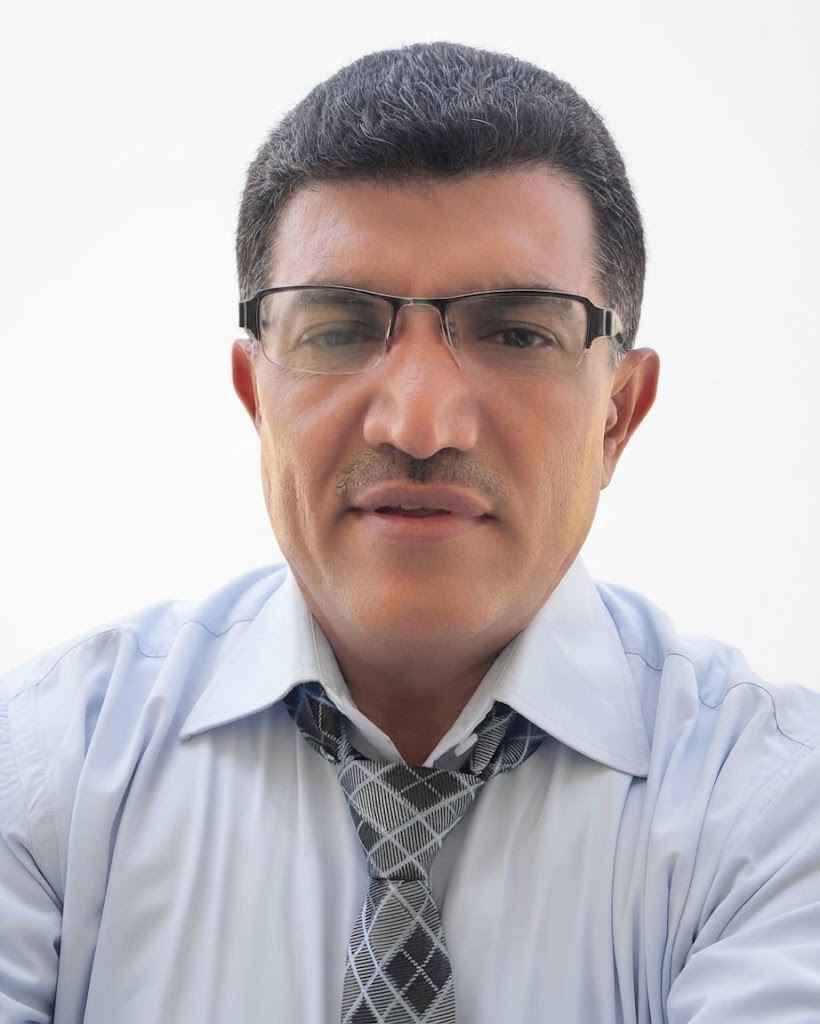
Journalism
Cairo University

Journalism
Cairo University
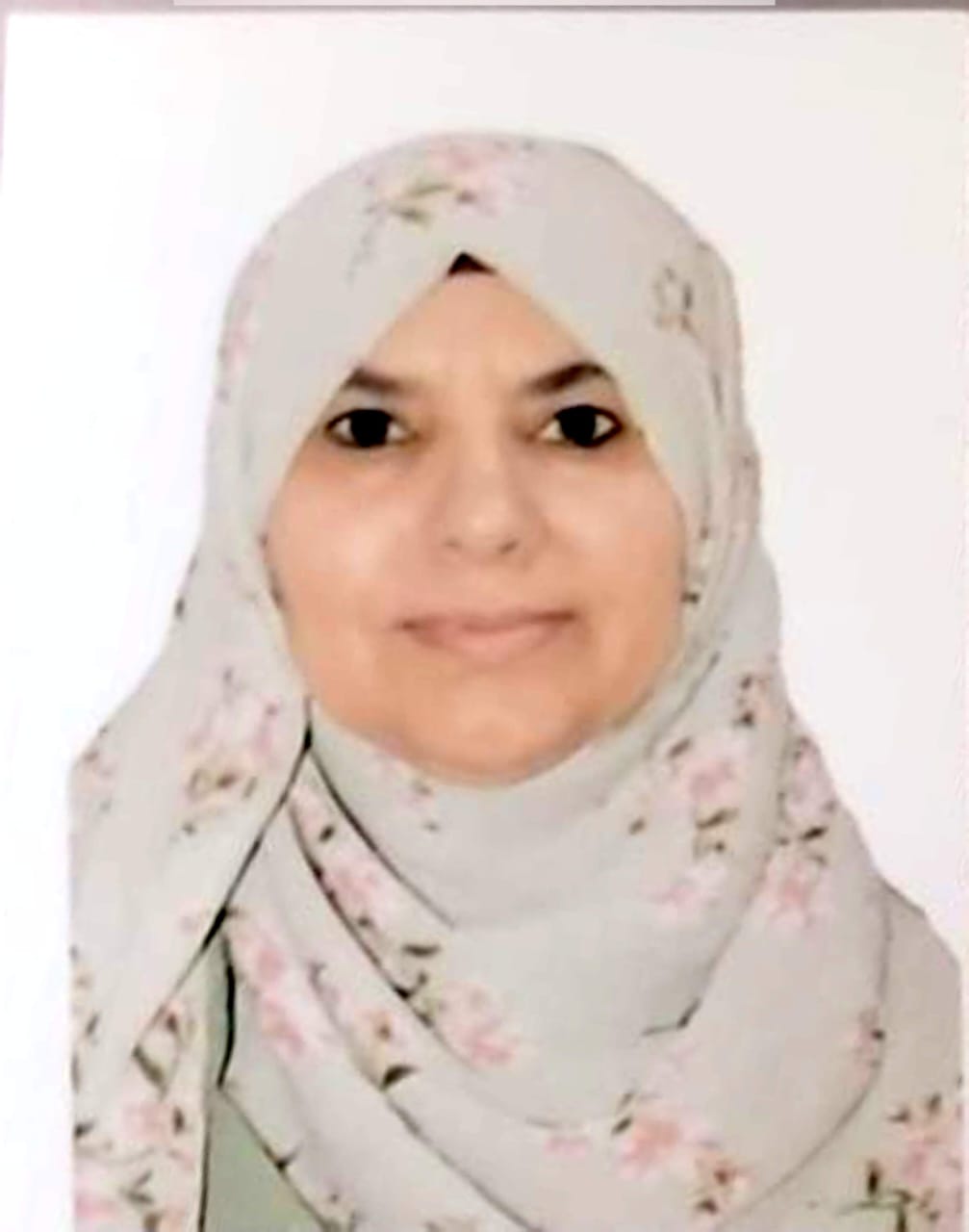
Journalism
Cairo University
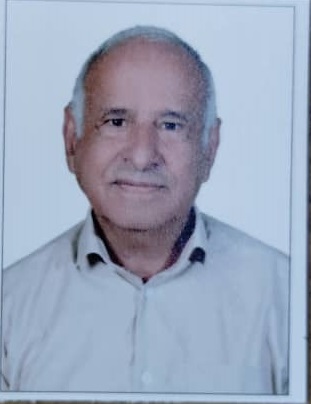
Journalism
Russia University
Journalism
Sana’a University

Journalism
Sana’a University

Journalism
Sana’a University

Journalism
Sana’a University
Journalism
Sana’a University

Journalism
Sana’a University

Journalism
Sana’a University

Journalism
Sana’a University