
Faculty of Mass Communication
Faculty of Mass Communication | SU
Faculty of Mass Communication | SU
Department of Radio and Television
The Department of Radio and Television is one of the academic departments within the Faculty of Mass Communication at Sana'a University. It is dedicated to the study of radio and television arts across their diverse and multifaceted fields. Over a four-year academic program, students undergo comprehensive training and qualification based on a curriculum designed according to the highest and most modern standards, aligning seamlessly with the demands of the labor market. Consequently, graduates emerge fully prepared to enter the industry with high competence and refined professionalism. This education is delivered by a constellation of the teaching staff members, including four Professors, six Associate Professors, three Assistant Professors, and two Lecturers, all representing a diverse range of regional and international universities.
To be a leading department in educating, training, and developing professional skills in radio and television broadcasting at the local and regional levels.
To prepare qualified media professionals in accordance with quality assurance standards who uphold the highest professional and ethical standards, meet the evolving demands of the labor market, and contribute to sustainable development.
1. To provide leading academic programs within an advanced learning environment in the field of radio and television media sciences that satisfy academic accreditation and quality standards.
2. To prepare qualified media professionals across the diverse fields of radio and television who are proficient in the use of modern technologies, committed to the highest standards of media ethics, capable of contributing to societal development, and competitive at the local, regional, and international levels.
3. To enhance the capabilities and skills of the Department's teaching staff members, providing them with all necessary scientific and academic support to fulfill their educational mission.
4. To strengthen the scientific research capabilities of the teaching staff members and students, promote scholarly studies that address societal priorities, issues, and challenges, and contribute to the development of the media landscape in Yemen.
5. To establish cooperative partnerships with counterpart academic departments and relevant media and community institutions to bridge the gap between theoretical study and practical broadcasting practice.
6. To prioritize the fields of media training and consultancy services as strategic avenues for enhancing the financial sustainability of the Department and the Faculty.
The rapid developments in media and communication sciences, coupled with their intersection with other disciplines, necessitate a graduate studies program that keeps pace with the programs of leading universities, synthesizes their distinctive points of excellence, and addresses the cognitive and skill-based needs of society, thereby contributing to its development and advancement. Proceeding from Sana'a University's earnest commitment to modernizing its academic programs and adhering to regional and global quality assurance standards in both undergraduate and postgraduate education, the Faculty of Mass Communication and the Department of Radio and Television strive to establish a national knowledge base in media and communication sciences and various applications. This endeavor aims to prepare cadres of researchers and media professionals equipped with a high level of cognitive and academic qualification, possessing advanced skills in media production, that keep pace with successive and cumulative developments in these sciences. This approach ensures a conscious intellectual foundation for understanding the state of media and communication in the age of globalization, including its positive and negative impacts on the unique social and cultural fabric of Yemeni society.
To develop media professionals theoretically and practically in alignment with established quality standards, who adhere to professional ethics, contribute to providing scientific treatments and solutions to media phenomena and contemporary communication challenges through scientific research, and participate in defending the causes of the nation while confronting adversaries in the media sphere and refuting their fallacies and propaganda.
1. To achieve quality standards in the Master’s program in the fields of radio, television, and digital communication, with a view to obtaining international accreditation and providing the labor market, media institutions, and research centers with highly qualified professionals possessing advanced academic knowledge and professional skills.
2. To enhance students’ theoretical knowledge and practical skills in the preparation and production of various radio, television, dramatic, and digital programs.
3. To develop students’ research capabilities in communication sciences, radio, television and digital media, and to enable them to apply communication and digital media theories in analyzing contemporary issues in ways that meet the needs of sustainable development and upholds ethical and professional standards.
4. To raise researchers’ competence to critically analyze contemporary and historical radio, television, and digital media content, enabling them to make informed projections for the future trends, thereby reflecting on the development and expansion of the production process.
5. To prepare qualified cadres who possess the awareness and expertise necessary to counter hostile media campaigns targeting the nation in the field of radio and television.
Prerequisite Specializations for Admission:
Bachelor’s Degree in Mass Communication with a major in Radio and Television / Bachelor’s Degree in other specialization + Diploma in Radio and Television with an average grade of “Very Good”.
Required English Proficiency Score: TOEFL/ iBT Proficient in English language (Very Good).
Computer Skills: ICDL Certificate.
Other Requirements Such as (entrance exam/ personal interview):
• Experience certificate in the field for at least three years.
• Successfully pass the entrance exam and/or personal interview.
• Committed to full-time study.
• Adhering to the requirements stipulated in the Graduate Studies Regulations.
With the accelerated advancement in communication and information technology and the profound repercussions of its impacts on various aspects of life, coupled with the emergence of numerous phenomena that have reshaped the contours of the contemporary communication system—an era characterized as the age of globalization and open space—the scope of media studies and academic research that informs the study of reality and the shaping of modern media has considerably expanded.
The establishment of the PhD Program in the Department of Radio and Television at the Faculty of Mass Communication, Sana'a University, represents a strategic milestone aimed at meeting the needs of both the academic and industrial sectors in Yemen. Having been launched in 2006, the program required comprehensive updating and development to align with contemporary advancements, environmental needs, and the demands of the labor market.
There are numerous factors justifying the establishment and ongoing development of this program, foremost among which is the urgent need to develop specialized academic competencies in the field of media. The rapid transformations in media technology, including the emergence of live streaming platforms and advanced digital technologies, require researchers to possess a deep understanding of these innovations, thereby reinforcing the importance of graduate programs that emphasize scientific research and critical inquiry. Furthermore, the program will provide an optimal academic environment to foster critical and analytical thinking among students. Through the study of complex topics related to modern media, students will be able to develop their research skills and real-world applications. This will contribute to enhancing the quality of local media content, thereby improving the standard of media production and reflecting the challenges and opportunities facing society.
The PhD program comprises a dissertation-based system, whereby researchers are required to prepare a research dissertation demonstrating their ability to conduct independent and innovative research. The dissertation topics will range between theoretical and applied studies, allowing researchers to choose areas that align with their interests and professional goals. These dissertations will include studies on the societal impact of media, the analysis of television and radio programs, and the influence of modern technology on audience behavior.
Moreover, the program will contribute to the advancement of scientific research in Yemen by providing researchers with the opportunity to explore new and innovative topics. Through the provision of academic support and necessary resources, the program will enable researchers to conduct research that addresses pivotal issues characterized by depth and objectivity.
To prepare academics and consultants, and to develop media competencies—both theoretically and practically—in alignment with established quality standards, who adhere to professional ethics, contribute to the advancement of knowledge and deep understanding of the field of radio and television and its applications, and contribute to providing scientific treatments and solutions to contemporary media phenomena and communication challenges through scientific research.
1. To achieve excellence in the PhD program in the field of radio, television, and digital communication, in line with quality standards, with a view to securing regional and international accreditation.
2. To develop research capabilities of Master’s degree holders in communication sciences, radio, television, and digital media, and to enable them to apply communication and digital media theories in analyzing contemporary issues in ways that meet the needs of sustainable development and uphold professional and ethical standards.
3. To raise researchers’ competence to critically analyze contemporary and historical radio, television, and digital media content, enabling them to make informed projections for the future trends, thereby reflecting on the development and expansion of the production process.
4. To provide the labor market, media institutions, and research centers with highly qualified professionals possessing advanced academic knowledge and professional skills in the field of radio and television.
5. To strengthen partnership and cooperation with media institutions, local community organizations, media academies, and scientific research centers.
First: Regulations for Admission to and Registration in PhD Program:
• The candidate seeking admission to the PhD program must hold a Master's degree awarded by a Yemeni university or any accredited equivalent institution, with a cumulative grade point average (GPA) of at least "Very Good".
• The candidate's specialization at both the Bachelor's and Master's levels must align with or equivalent to the PhD program.
• The candidate may not be concurrently enrolled in more than one graduate program.
Second: Admission and Registration Requirements:
• The candidate must pass the competitive admission exam and personal interview determined by the Department.
• The candidate must not have been expelled from any university for disciplinary reasons that violate national, ethical, or academic principles.
• Should the number of candidates surpass the admission capacity endorsed by the Faculty Council, the selection shall be based on the highest GPAs or the criteria determined by the Faculty Council on an annual basis.
• The candidate shall pay the prescribed registration fees in accordance with the University’s regulations.
• The dissertation topic shall be formally registered with the Vice Rector’s Office for Graduate Studies no later than 15 days following its approval by the Department.
• The candidate shall satisfy all conditions governing admission to the PhD program, as set forth in the University's Graduate Studies Regulations.
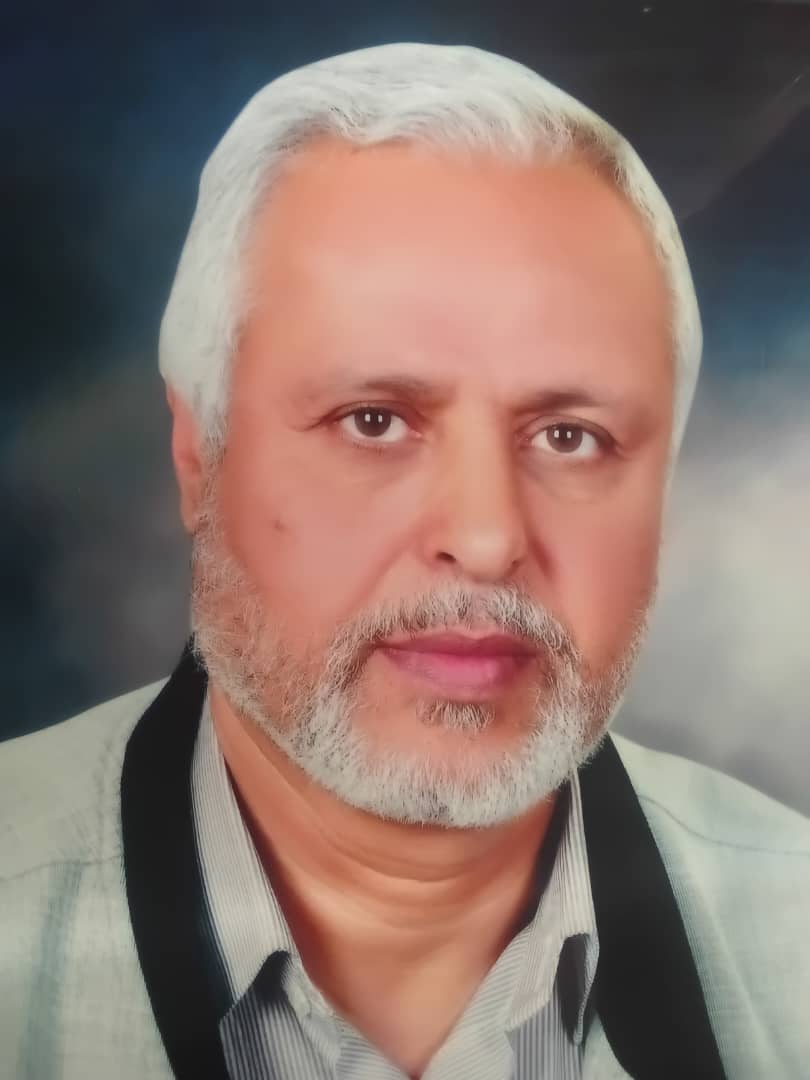
Radio & TV
Moscow University
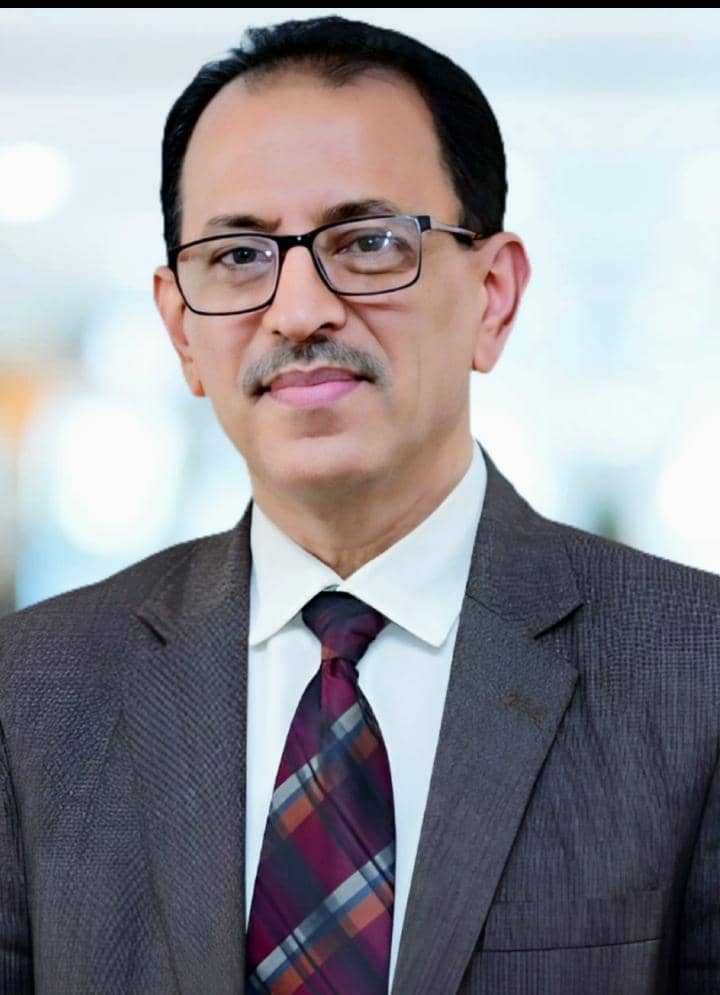
Radio & TV
Cairo University
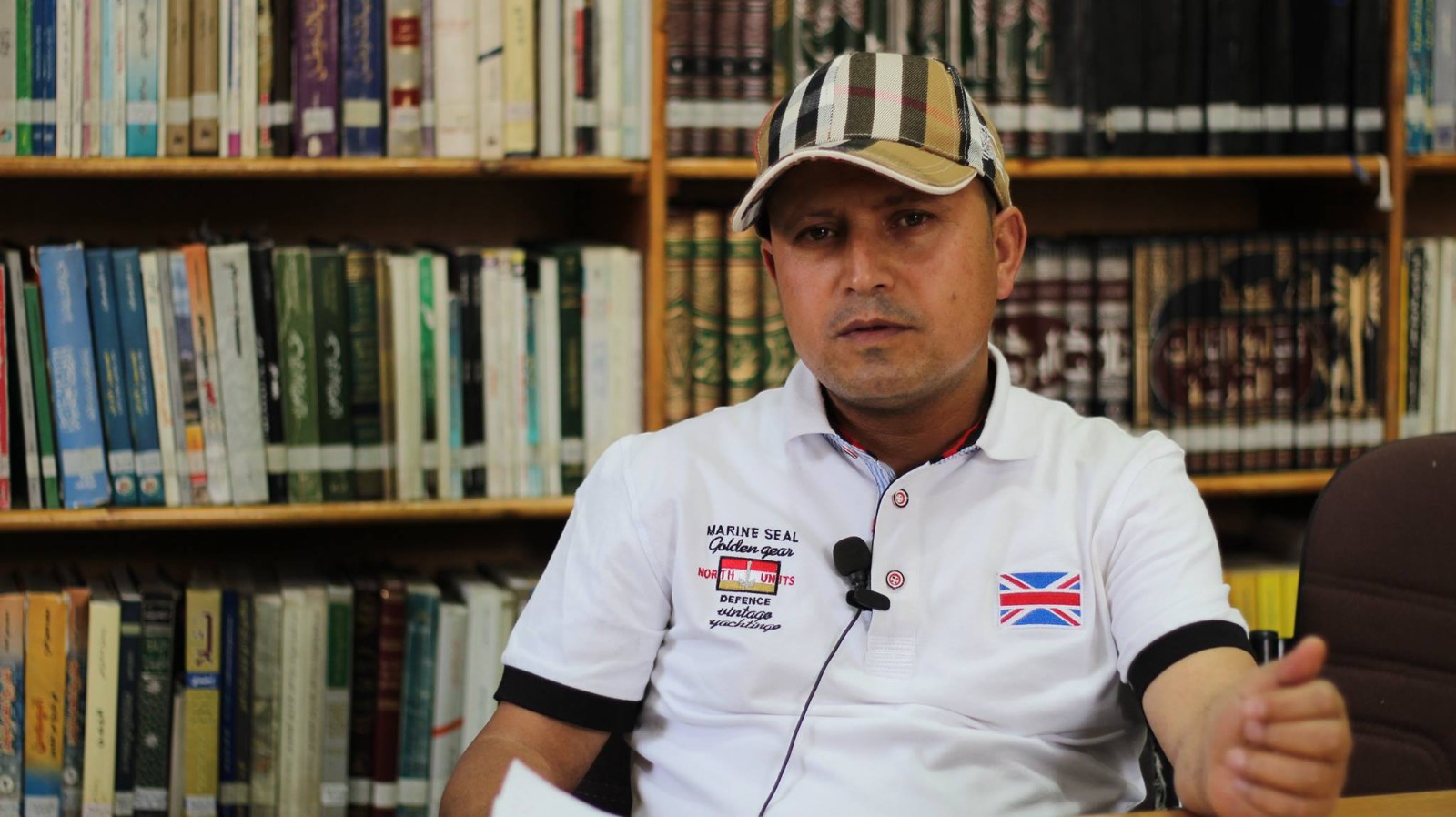
Radio & TV
University of Algiers
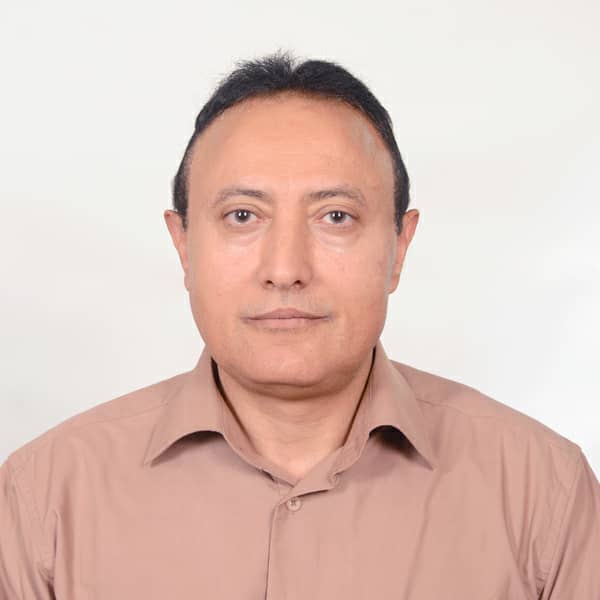
Radio & TV
Al-Azhar University
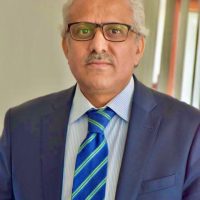
Radio & TV
Al-Zaytuna University
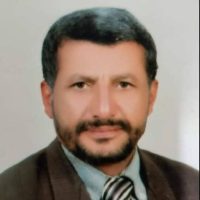
Radio & TV
Omdurman University
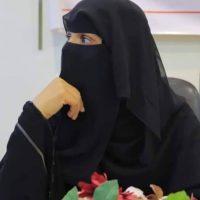
Radio & TV
Cairo University
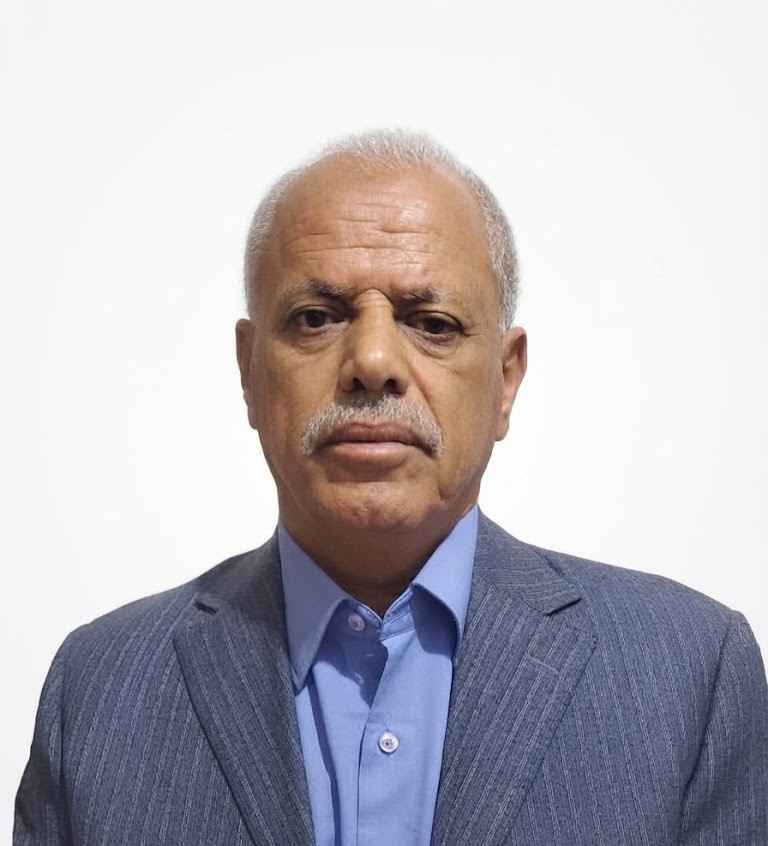
Radio & TV
State Institute of Cinematography
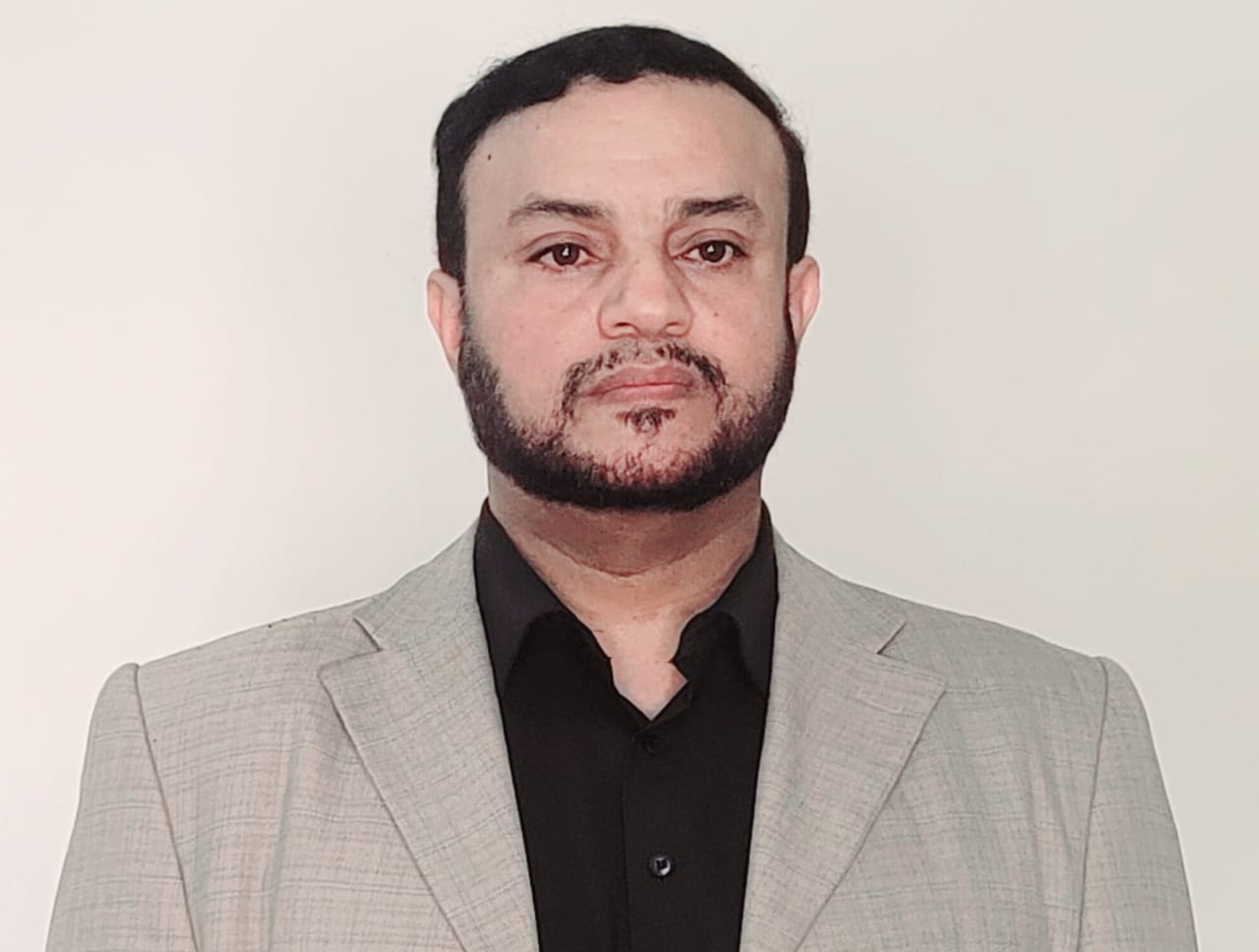
Radio & TV
Assiut University
Radio & TV
University of Baghdad
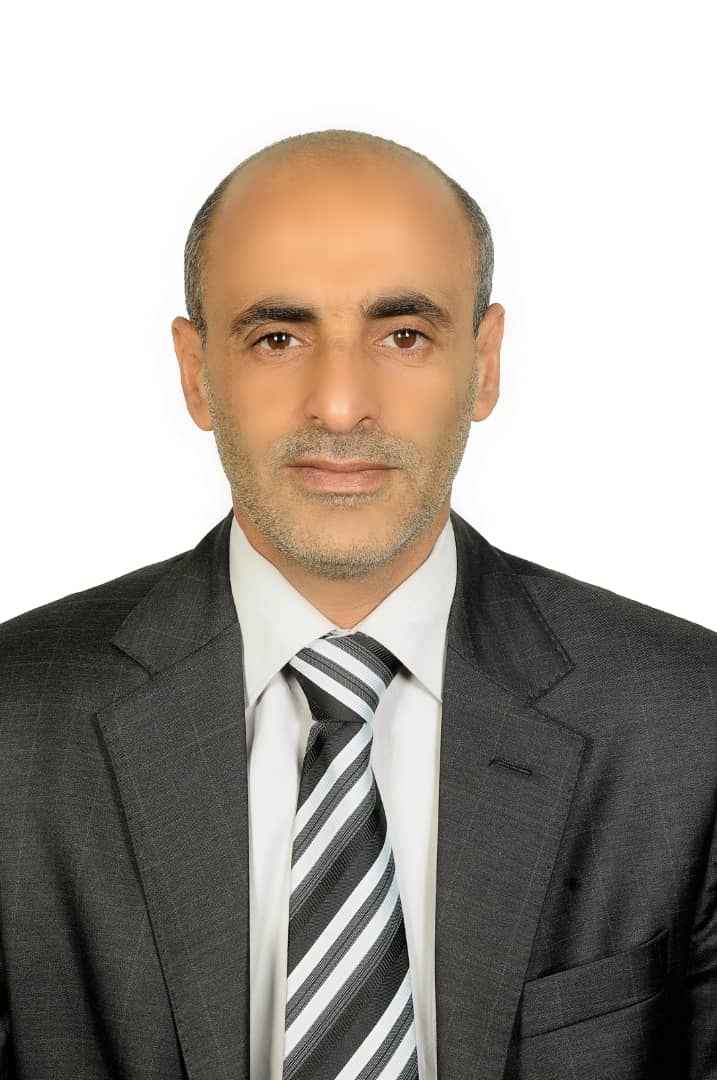
Radio & TV
Cairo University
Radio & TV
Sana’a University
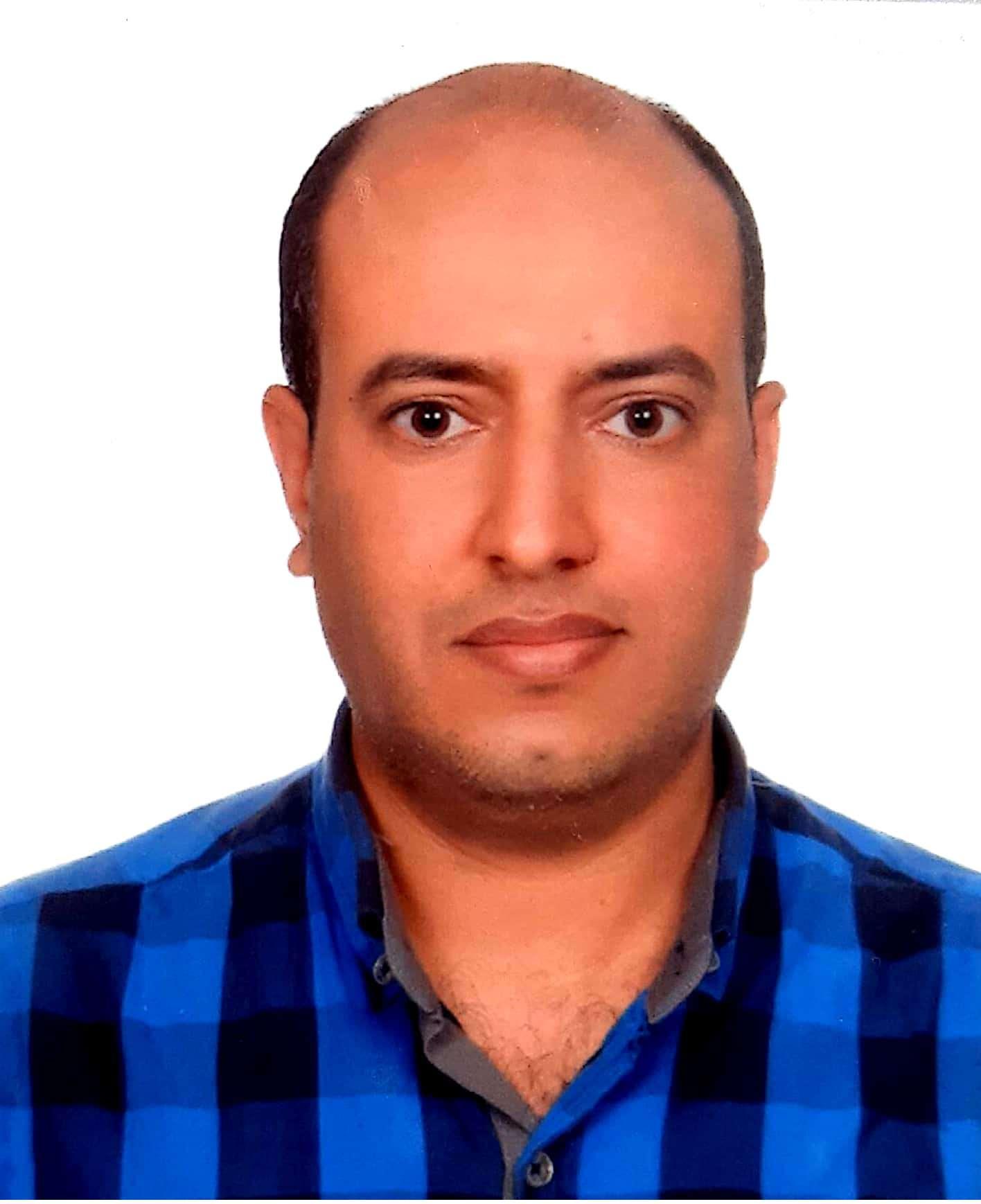
Radio & TV
Turkey
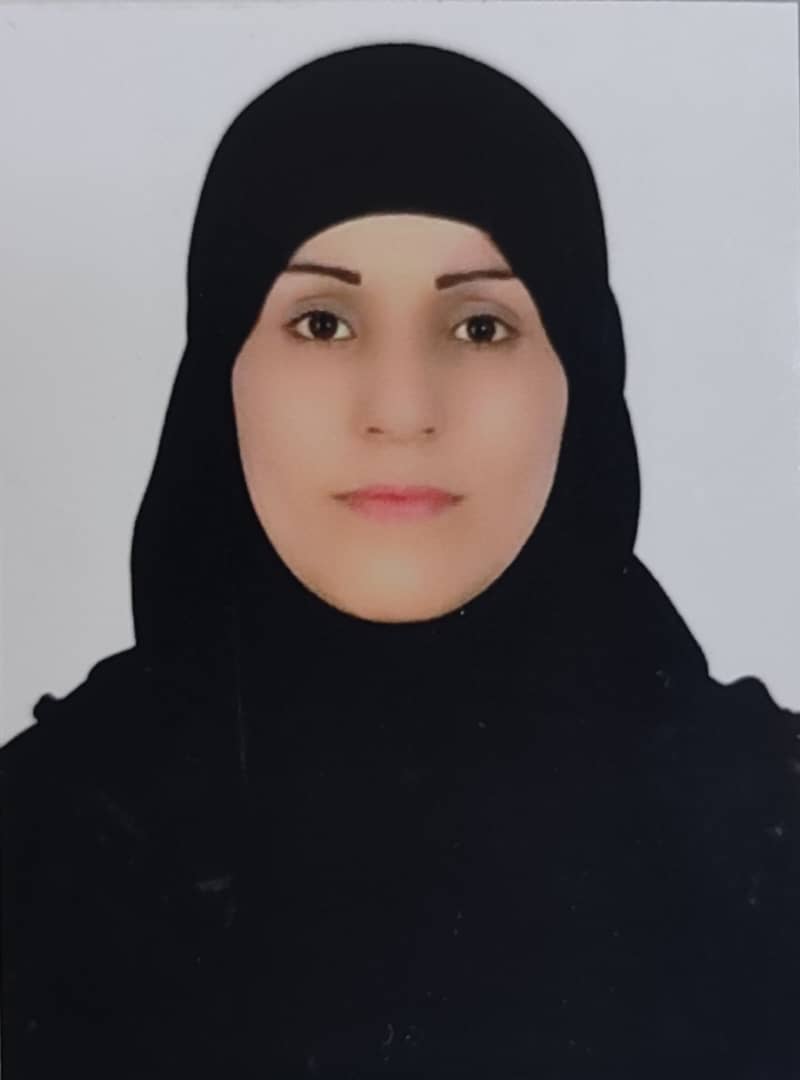
Radio & TV
Sana’a University

Radio & TV
Sana’a University