Department of Islamic Studies Council Holds Regular Meeting Chaired by Dr. Abdullah Al-Razhi to Discuss Academic Arrangements for the New Academic Year

Saturday, June 20, 2026
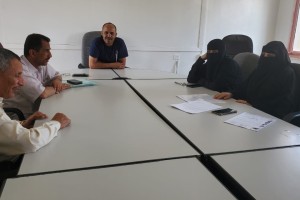
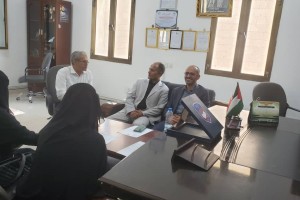
SANA’A — The Department of Islamic Studies Council at Faculty of Arts and Humanities, Sana’a University, held its first regular meeting on Saturday. Chaired by the Department Head, Dr. Abdullah Al-Razhi, and attended by council members, the meeting addressed several critical academic and organizational issues on its agenda as part of preparations for the upcoming 2026–2027 academic year.
At the opening of the session, Dr. Abdullah Al-Razhi congratulated the council members on the occasion of the new Hijri and academic year. He urged the faculty to intensify their efforts and work collaboratively to ensure the success of the educational process, thereby elevating academic and research performance to align with the department’s goals and the faculty’s broader mission.
The council reviewed the curriculum plan and course distribution for the first semester. Members discussed mechanisms to ensure academic balance and maintain high institutional efficiency, passing necessary resolutions aimed at supporting student success and enhancing educational quality.
Furthermore, the council approved a newly revised undergraduate plan for the bachelor’s program. The update aims to align the department’s curriculum with contemporary scholarly and academic advancements, effectively meeting labor market demands and improving student outcomes.
In an effort to advance the department’s research track, the council reviewed several graduate studies files. Members approved defense scheduling for graduate students and formed defense and examination committees for master’s theses and doctoral dissertations, in strict compliance with university rules and regulations.
Additionally, the council approved a new selection of master’s and doctoral research titles and designated academic supervisors, clearing the way for researchers to formulate their proposals and complete their degree requirements.
The meeting concluded after addressing various other academic, administrative, and organizational matters relevant to the department’s operations, with members issuing appropriate recommendations and decisions.
Closing the session, Dr. Abdullah Al-Razhi emphasized the vital importance of adhering to academic regulations and accelerating efforts to enhance the quality of both educational and research outputs. He extended his best wishes for success to the faculty and researchers, highlighting their crucial role in strengthening the department’s scholarly standing and contribution to knowledge.