Master’s Degree Awarded to Ms. Hanan Nasser Saleh Mohammed Hajib in Population Studies

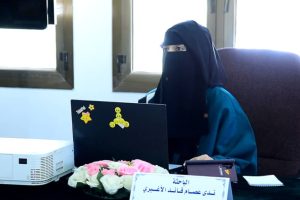
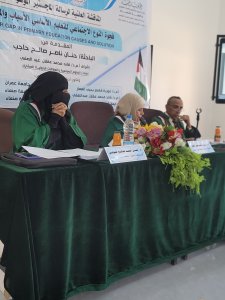
Ms. Hanan Nasser Saleh Mohammed Hajib was awarded a Master’s Degree in Population Studies with an average of Excellent and a grade of (92) for her thesis titled: Gender Gap in Primary Schools: Causes and Solutions, which was submitted to the Population Studies and Training Center– Sana’a University. The MA defense was held on Wednesday, December 17, 2025.
The MA Viva-voce Committee, which was formed based on a resolution issued by the Graduate Studies and Scientific Research Council, consisted of the following:
# |
Committee Members |
Designation |
Position |
1 |
Assoc. Prof. Fawziya Qasem Yahya Al-Ammar |
External Examiner |
Chair |
2 |
Prof. Qaed Mohammed Aqlan Abdulsafi |
Main Supervisor |
Member |
3 |
Dr. Ayman Ahmed Saleh Al-Jawfi |
Internal Examiner |
Member |
The study aimed to:
-
Provide a concise and focused analysis of the status and indicators of the primary school system from a gender perspective
-
Identify and analyze the key underlying causes of the gender gap in primary schools, particularly in terms of admission, enrollment, and dropout.
-
Propose practical recommendations to support educational policymakers and relevant stakeholders in addressing or mitigating this issue.
The study yielded a number of key findings summarized as follows:
-
A clear gender gap was identified in admission, enrollment, and dropout indicators in primary schools.
-
In the 2021/2022 academic year, the overall admission gap reached 0.90, while the enrollment gap reached 0.89; dropout rates stood at 10.2% among males and 11% among females.
-
Four interrelated main causes of the gender gap were identified: educational and institutional factors, social and cultural factors, and economic and demographic factors.
-
Ongoing conflict was found to have exacerbated these causes, while the economic blockade intensified their impact, leading to a 4% decline in enrollment over ten years, along with an increase in the population of the 6–14 age group
In light of these findings, the researcher recommended:
-
Reforming and supporting the education sector, particularly primary school education, and developing a clear, precise, and gender-responsive legal framework.
-
Legally affirming free and compulsory education, and adopting a sustainable, inclusive educational plan that effectively responds to gender needs.
-
Increasing the education budget and granting the Ministry of Education and Scientific Research broader authorities.
-
Reducing reliance on international financial aid due to its limited effectiveness, improving educational governance and management, establishing an updated and well-defined education database, and working to increase demand for education.
-
Mitigating the impacts of poverty, enhancing household economic viability, eliminating child labor, and accelerating the rehabilitation and reform of water and sanitation services, among other measures
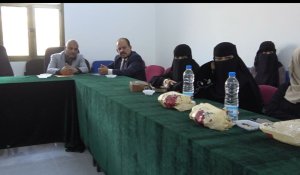
The defense session was attended by faculty members of the Center, researchers, students, colleagues, and the researcher’s family.


You may also like

PhD Degree Awarded to Ms. Amal Al-Matari in Population Studies
21 September, 2025