Master’s Degree Awarded to Ms. Latifa Al-Sharafi in Holy Quran and Its Sciences
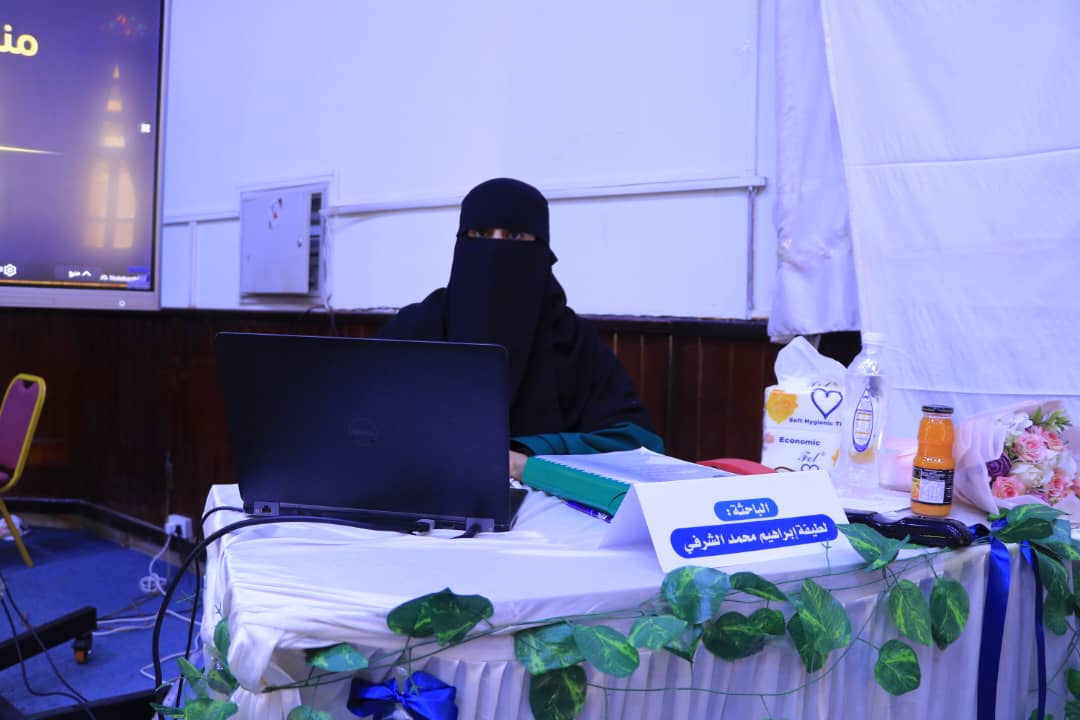
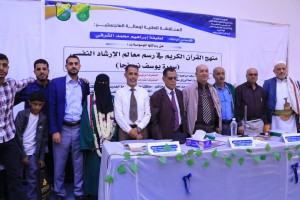
Ms. Latifa Ibrahim Mohammed Al-Sharafi was awarded a Master’s Degree in Holy Quran and Its Sciences with an average of excellent and a grade of (95) for her thesis titled: The Methodology of the Holy Qur’an in Delineating the Principles of Psychological Counseling: Surah Yusuf as a Case Study, which was submitted to the Department of the Holy Qur’an and Its Sciences, Faculty of Education – Sana’a University. The MA defense was held on Sunday, July 5, 2026.
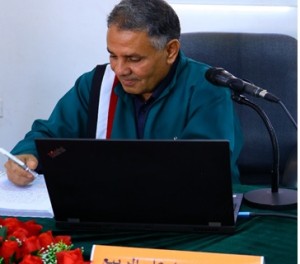
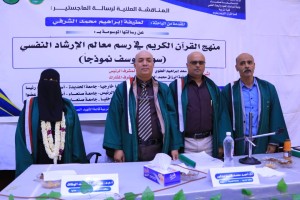
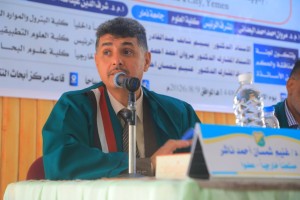
The MA Viva-voce Committee, which was formed based on a resolution issued by the Graduate Studies and Scientific Research Council, consisted of the following:
| # | Committee Members | Designation | Position |
| 1 | Prof. Ahmed Mohammed Qasim Mathkoor | External Examiner | Chair |
| 2 | Prof. Saad Ibrahim Al-Alawi | Main Supervisor | Member |
| 3 | Assoc. Prof. Abdulkarim Mohammed Al-Wadhaf | Internal Examiner | Member |
The thesis aimed to
- Define the methodology of the Holy Qur’an in delineating the principles of psychological counseling and explain its concept, significance, and objectives.
- Highlight its three counseling dimensions—developmental, preventive, and therapeutic.
- Identify the principles of psychological counseling embodied in Surah Yusuf and shedding light on the contributions of Muslim exegetes and thinkers in this field.
The findings revealed that the Qur’anic methodology is distinguished by its comprehensiveness and balance in building, protecting, and treating the human psyche, surpassing the limitations of many secular schools of psychology. The study further demonstrated that Surah Yusuf’s presentation of human emotions and experiences, such as grief, fear, and jealousy, contributes to enhancing psychological realism and alleviating the counselee’s sense of isolation in suffering. Moreover, the study confirmed the effectiveness of acts of worship, including prayer, remembrance of God, and reliance on Allah, as counseling and therapeutic means that promote tranquility and psychological well-being.
The study recommended the formulation of a comprehensive theory of Islamic psychological counseling grounded in the Holy Qur’an and the Prophetic Sunnah, rather than relying on partial adaptations of Western theories. It also called for integrating the principles of the Qur’anic counseling methodology derived from Surah Yusuf into the curricula of psychology and educational counseling programs.
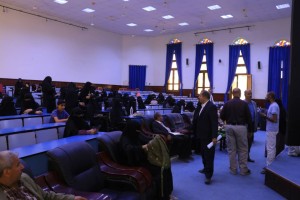
The defense session was attended by a number of academics, researchers, students, colleagues, and the researcher’s family.