Sana’a University Faculty of Medicine Holds Expanded Meeting to Advance Integrated Hybrid Medical Program

SANA’A, YEMEN | March 2, 2026
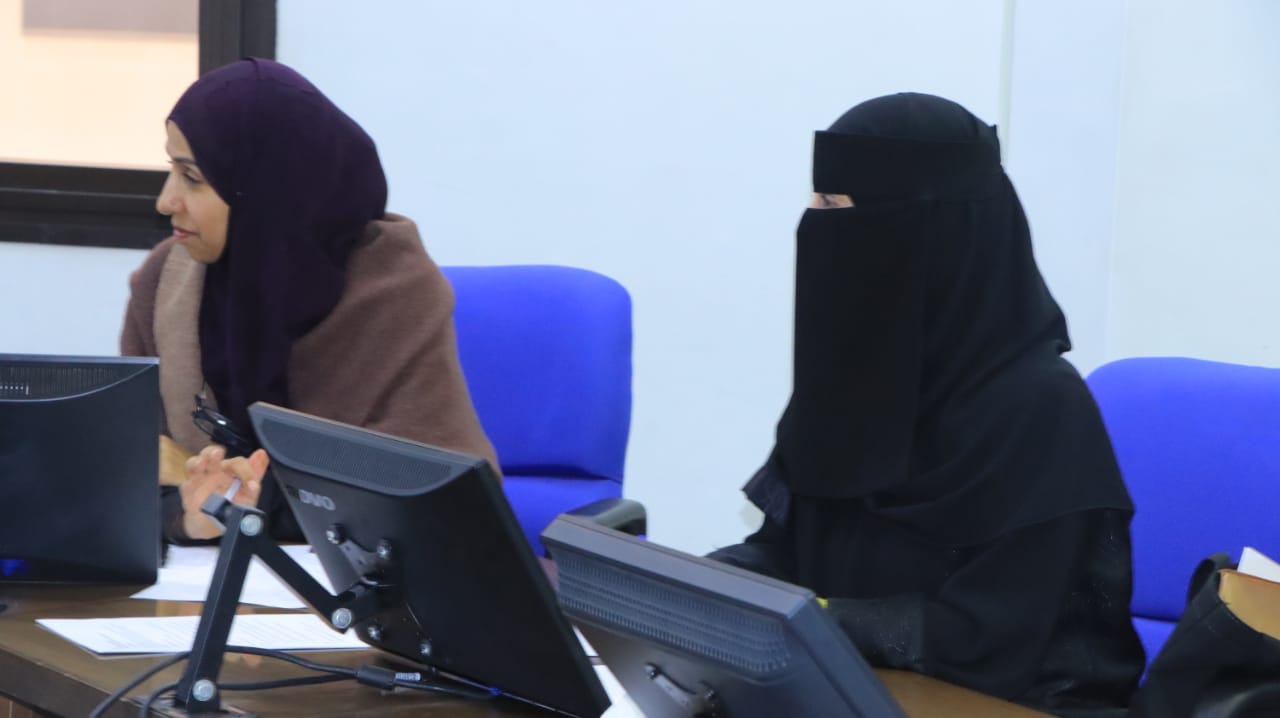
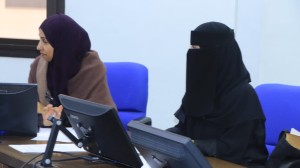
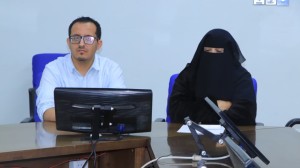
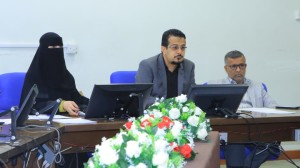
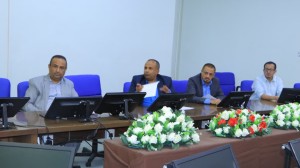
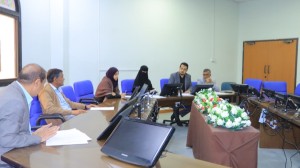
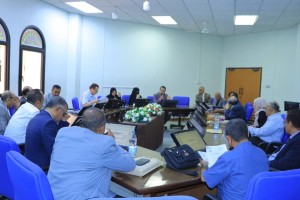
As part of early preparations for the upcoming academic year, the Faculty of Medicine and Health Sciences at Sana’a University held an expanded meeting today to discuss the implementation of the Integrated Hybrid Program for Human Medicine.
The session was chaired by Prof. Mohammed Al-Shehari, the Faculty Dean, with the attendance of Prof. Arwa Othman, Vice Dean for Student Affairs, and Prof. Ahmed Mujahed, Vice Dean for Quality Assurance, alongside the heads of basic science departments. The meeting focused on accelerating the Faculty’s progress toward International Academic Accreditation in alignment with the standards set by the World Federation for Medical Education (WFME).
The committee reviewed the latest updates to the unified national plan issued by the Ministry of Education and Scientific Research. A central pillar of this plan is the adoption of the Integrated Hybrid Program, designed to modernize medical education by curriculum integration, identifying outcomes, quality assurance as well as competency-based assessment.
Participants discussed the executive mechanisms required to meet accreditation mandates, specifically focusing on course specifications and their link to the “Core Competencies of a General Practitioner.” Discussions emphasized horizontal and vertical integration—linking basic sciences with clinical practice—and refining evaluation methods to ensure transparency and justice in measuring knowledge, skills, and professional conduct.
A significant portion of the meeting was dedicated to evaluating the previous year’s pilot implementation with the 43rd Batch. The leadership analyzed challenges encountered during that phase through the lens of quality and accreditation standards. The Dean emphasized the importance of “corrective measures” to ensure continuous improvement and to bolster the Faculty’s readiness for upcoming external evaluations.
Dean Al-Shehari underscored the necessity of a unified vision among scientific departments. “Working as a cohesive team is essential to delivering medical content as an integrated whole rather than fragmented subjects,” Al-Shehari stated. “This approach is vital for developing physicians capable of linking theoretical foundations to clinical application—a core requirement of international accreditation.”
Looking ahead, Dr. Al-Shehari announced an upcoming series of coordination meetings and specialized workshops focused on quality assurance and academic development. These initiatives reaffirm the Faculty of Medicine and Health Sciences’ commitment to achieving global accreditation and cementing its status as a leading institution in preparing medical professionals according to international best practices.