Sana’a University Agriculture Students Conduct Joint Field Activities in Second Week of Summer Training

SANA’A, YEMEN | April 23, 2026
As part of a comprehensive summer training program designed to bridge the gap between theoretical knowledge and practical application, students from the Faculty of Agriculture, Food, and Environment successfully continued their field activities for the second consecutive week. The intensive training took place at the university’s fruit nurseries and designated agricultural sites.
This week’s activities showcased a high level of integration between multiple academic departments, including Horticulture, Plant Protection, Crop Science, Soil Science, and Agricultural Engineering. Under a coordinated organizational plan, students collaborated to manage nursery operations and execute specialized tasks within assigned plots.
The training sessions featured several hands-on technical applications:
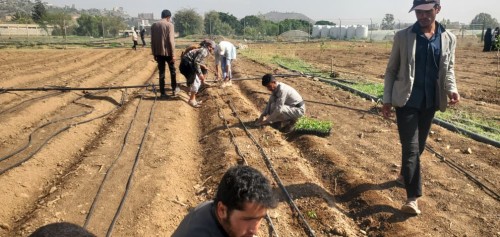
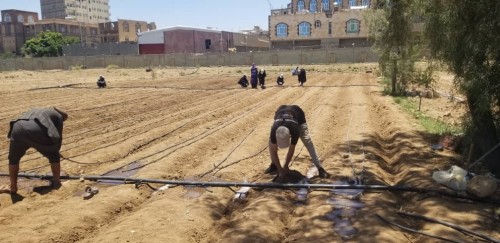
• Soil Preparation: Students from the Plant Protection Department focused on land reclamation and tilling, preparing long cultivation basins to ensure an optimal growth environment.
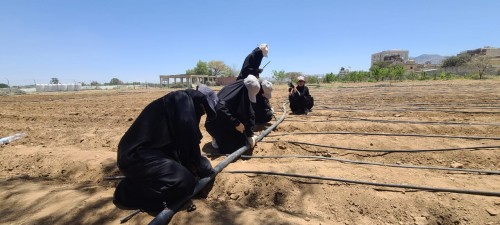
• Irrigation Infrastructure: Agricultural Engineering students took the lead in installing advanced drip irrigation systems. This initiative aims to enhance water-use efficiency and ensure a consistent supply to the newly planted crops, reflecting modern sustainable farming practices.
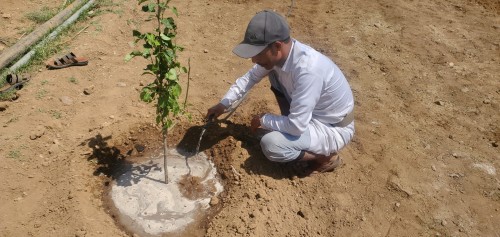
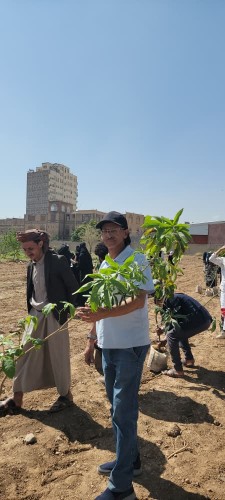
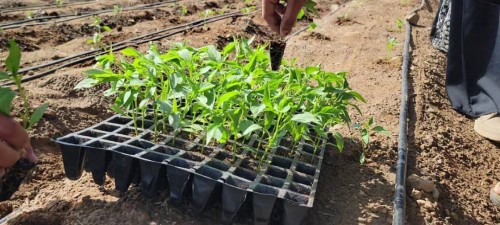
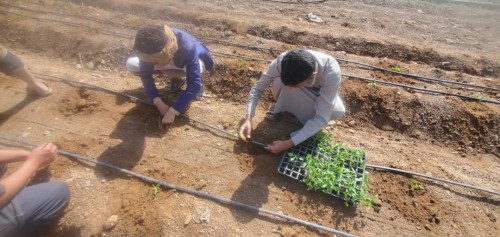
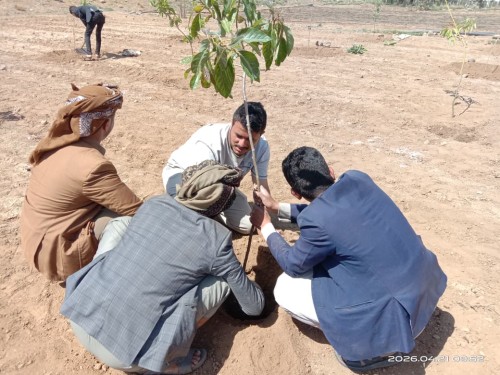
• Cultivation and Seeding: Students from the Crop, Soil, and Horticulture departments worked in unison to transplant and stabilize seedlings. These activities are central to developing professional skills in plant production and nursery management.
The training program focuses on a wide array of high-value crops and fruit trees. During this session, students planted several varieties, including:
• Fruit Trees: Pear, Papaya (Anbarood), Loquat, Sapodilla, Kiwi, Avocado, European and Japanese Plum, and Apple.
• Vegetable Crops: Tomato, Potato, and Bell Pepper (Bibar).
Despite the delicate size of some seedlings, students adhered to strict scientific standards for planting and established a rigorous irrigation schedule to ensure survival and productivity.
Conducted under the close supervision of specialized academic faculty, these field activities ensure high-quality training outcomes. The program is a cornerstone of the Faculty’s strategy to produce highly qualified professionals capable of advancing Yemen’s agricultural sector.
The Faculty’s leadership emphasized that such practical engagements are vital for fostering a spirit of teamwork across different agricultural disciplines, ultimately contributing to sustainable production and long-term food security.










You may also like
Field Visit to Yemen Dairy Farm in Dhamar
21 August, 2026