Inclusive Development Research Center Hosts Academic Symposium on Development Policy Papers
Monday, August 10, 2026
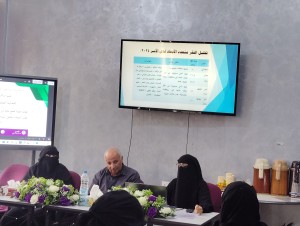
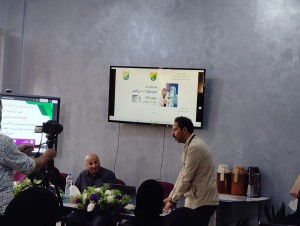
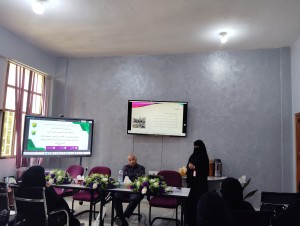
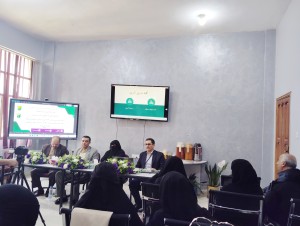
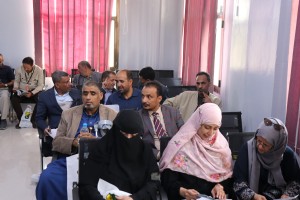
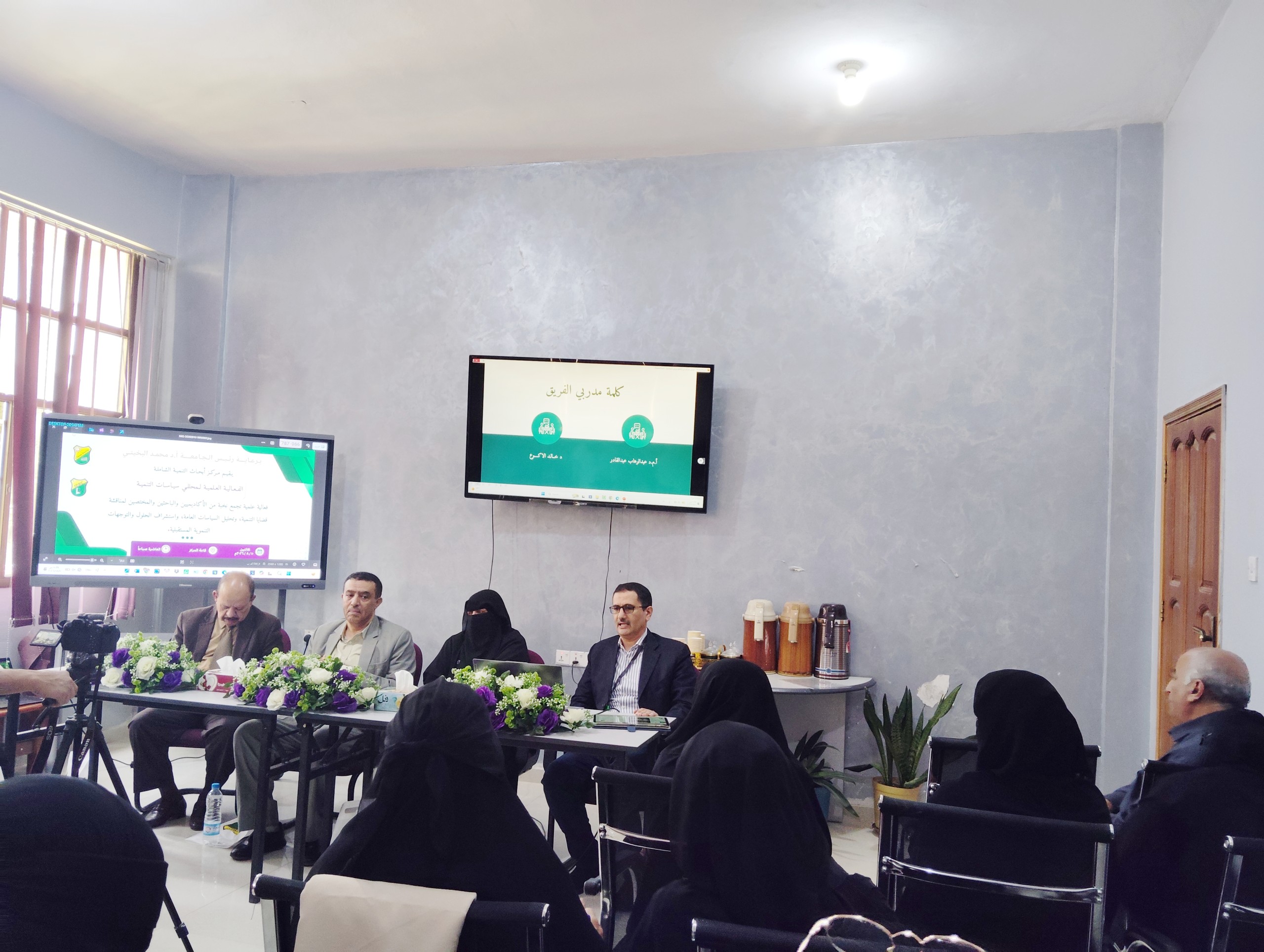
SANAA, Yemen — The Inclusive Development Research Center (IDRC) at Sana’a University hosted an academic symposium today to present and discuss a series of development policy papers. The event brought together researchers, graduate students, university leadership, and representatives from key developmental and public sector institutions.
Dr. Zaid Al-Warith, Vice Rector of Sana’a University for Center Affairs, attended the symposium alongside deans, center directors, faculty members, and researchers. Prominent external attendees included Akhlaq Al-Shami, Secretary-General of the Supreme Council for Motherhood and Childhood, as well as representatives from the Ministry of Administration and Local Development, the Social Welfare and Guidance Center, and the Martyrs’ Families Care Authority.
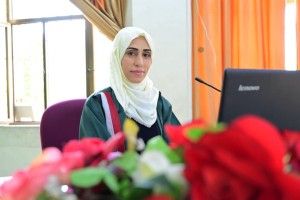
In her opening remarks, Dr. Haleema Jahaf, Director of IDRC, underscored the role of scientific research in addressing critical development issues and bridging academic studies with societal needs and policy formulation. She noted that the center plans to expand its academic programming and host more specialized workshops to strengthen research capabilities and advance sustainable development.
Echoing these remarks, Vice Rector Dr. Al-Warith commended the center’s initiative and emphasized the importance of encouraging researchers and graduate students to generate evidence-based insights that directly address complex national challenges.
Dr. Abdulwahab Abdulqader and Dr. Khaled Al-Akwa’a, members of the policy development supervisory team, outlined the strategic value of policy papers. They emphasized that rigorous, evidence-based research provides decision-makers with actionable, practical policy alternatives to resolve socio-economic phenomena.
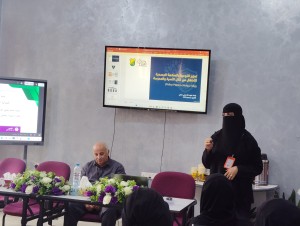
The symposium featured paper presentations delivered in both Arabic and English by master’s and Ph.D. researchers at IDRC, covering a broad range of developmental, social, economic, and environmental issues:
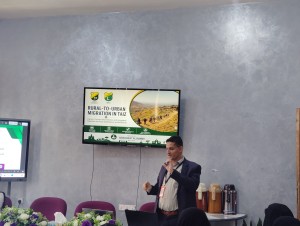
Abdulbasit Al-Shumeiri: Rural-to-Urban Migration in Taiz Governorate
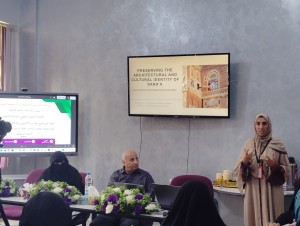
Budoor Mufarreh: Preserving the Architectural and Cultural Identity of Sana’a: Policy Strategies for Sustainable Urban Development
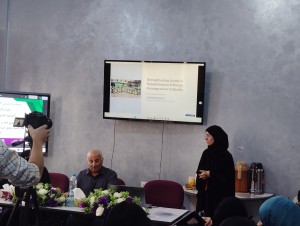
Ghufran Al-Wajeeh: Strengthening Juvenile Rehabilitation and Social Reintegration in Sana’a: Evidence-Based Policy Options
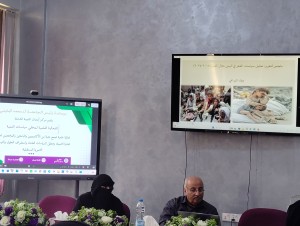
Nuri Taher: Yemen’s Catastrophic Water Crisis: Policy Pathways for Sustainable Water Security
Taghreed Iskander: Yemeni Women Coffee Farmers: Challenges and Opportunities
Hani Radman: Infant Mortality Rates in Yemen
Nojouid Mujalli: Promoting Child Bodily Safety Awareness Through Family and School
Hafidha Al-Hailamah: Toward a Clean Environment: Challenges and Solutions
Wafa Al-Rada’i: The Reality of Poverty in Yemen (2015–2025)
Eman Sharyan: Feminization of Poverty in Rural Yemen: Interventions and Solutions
The research presentations were followed by interactive peer-review sessions. Attendees offered feedback on methodology, policy relevance, and potential implementation strategies to refine the papers for policy consideration.
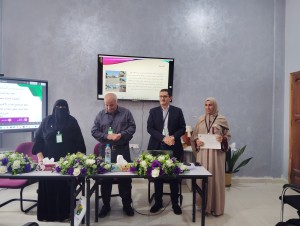
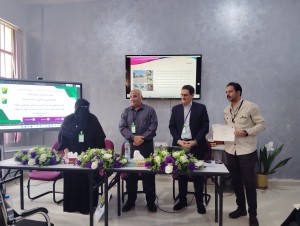
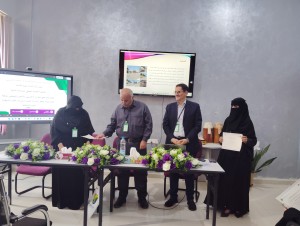
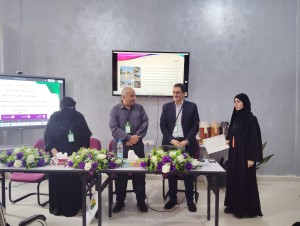
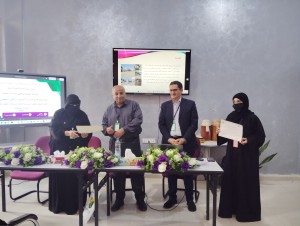
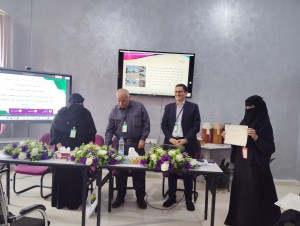
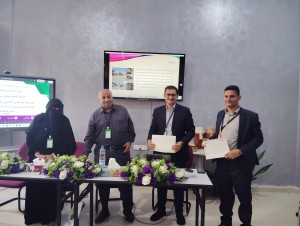
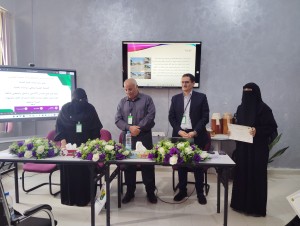
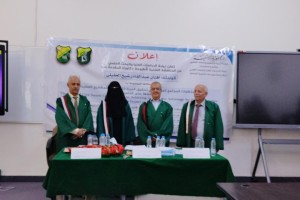
The event concluded with an awards ceremony, during which IDRC presented certificates of appreciation to participating researchers and graduate students.
This symposium reflects IDRC’s ongoing strategy to strengthen ties between academia and public policy institutions, leveraging university-led research to support decision-making and sustainable development.