Bridging Theory and Practice: Agricultural Economics and Extension Students Engage in Comprehensive Field Training
April 23, 2026
Department of Agricultural Economics and Extension recently concluded a multi-faceted practical training program designed to bridge the gap between classroom theory and real-world application. The initiative provided students with hands-on experience across various agricultural disciplines, emphasizing the development of technical skills essential for the modern industry.
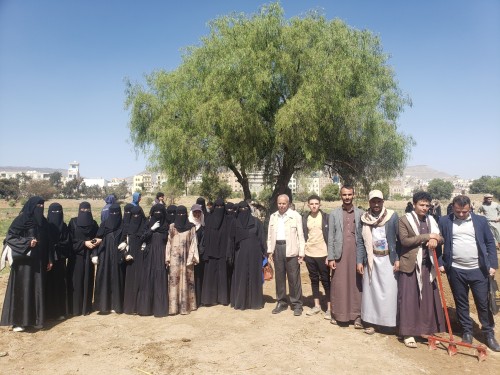
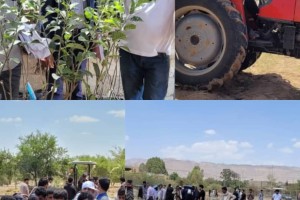
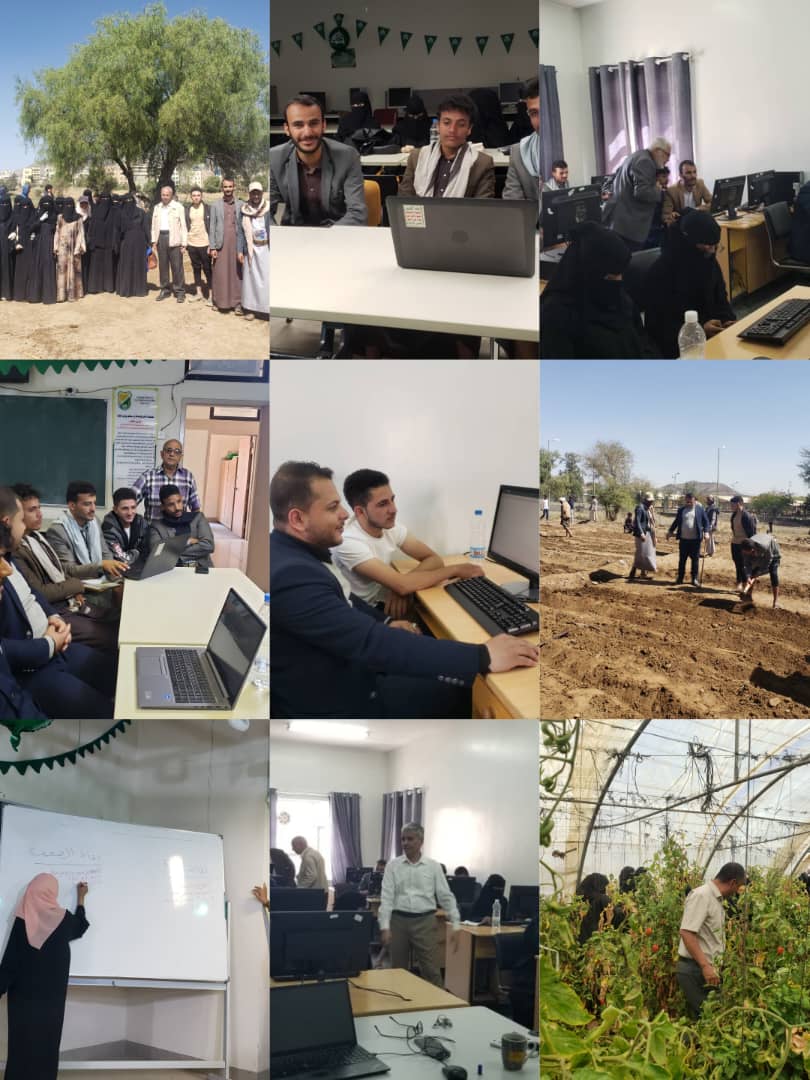
The program kicked off at the Faculty Research Farm, where students transitioned from textbooks to the field. Under the supervision of Eng. Ahmed Al-Lesani, students explored the livestock division, gaining insights into feed formulation and processing. The training covered nutritional requirements for dairy cattle, layers, and broiler poultry. Additionally, students examined animal housing standards and best practices in feeding systems.
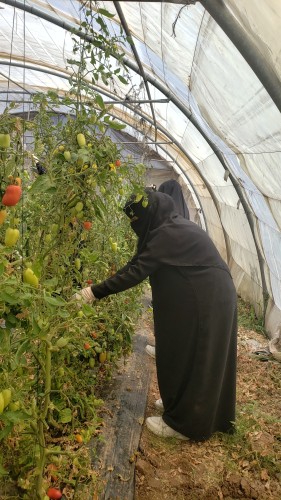
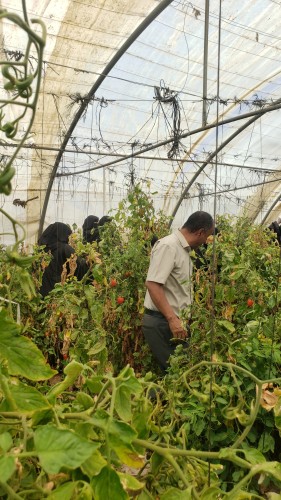
In the Faculty greenhouses, led by Dr. Mohammed Raweh, the curriculum focused on the cultivation of high-demand crops such as tomatoes and cucumbers. Students learned to identify prevalent agricultural diseases and discussed the logistical and economic hurdles facing crop marketing.
The practical sessions also included:
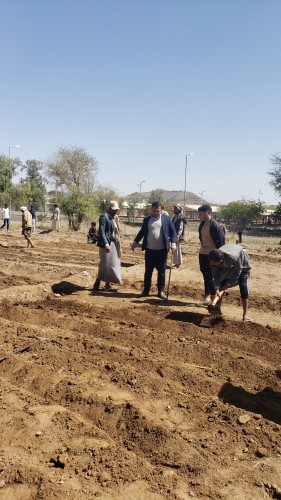
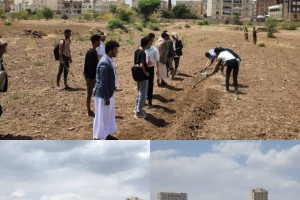
– Land Preparation: Students leveled and prepared plots for corn cultivation.
– Nursery Maintenance: Hands-on nursery work involved pruning and removing diseased foliage to optimize plant health and growth quality.
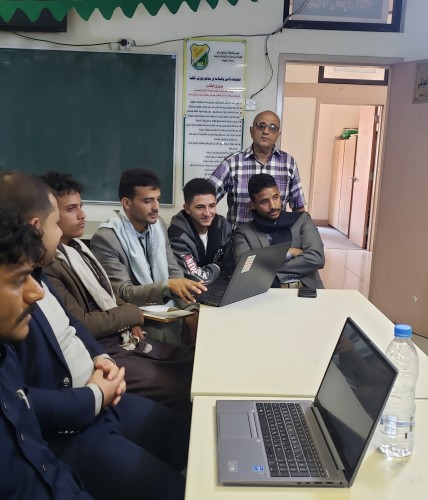
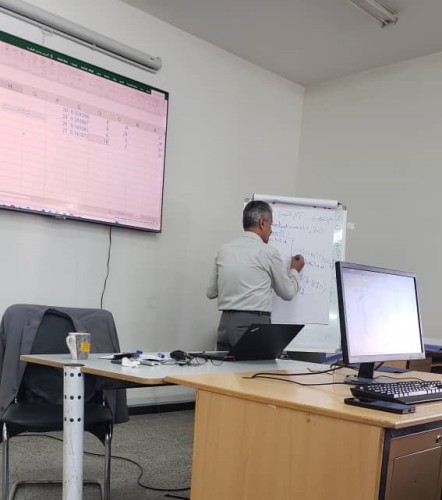
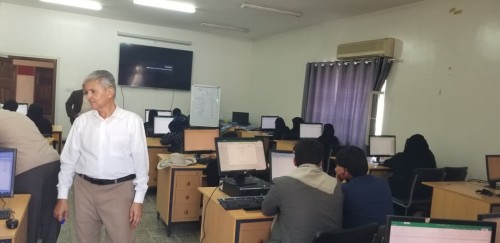
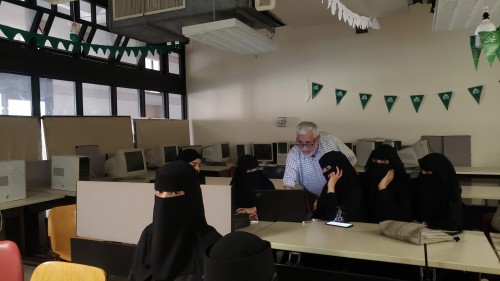
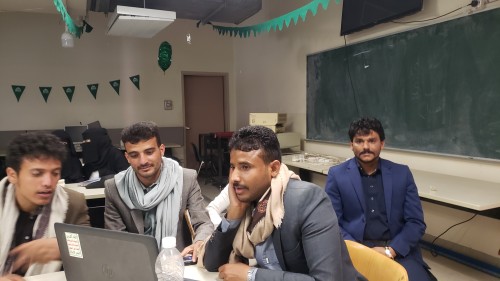
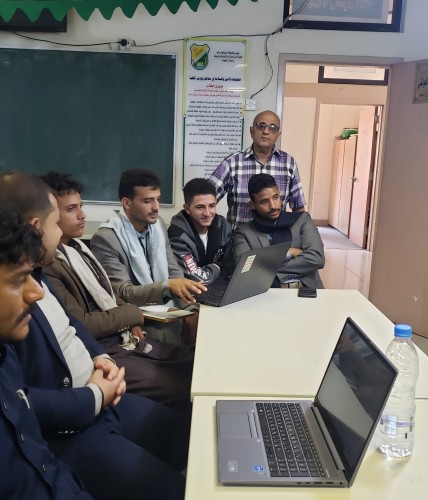
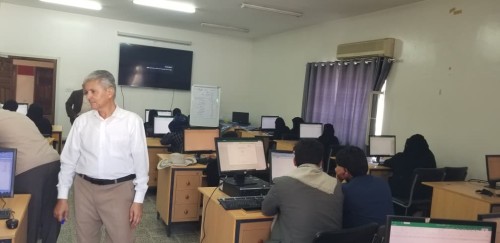
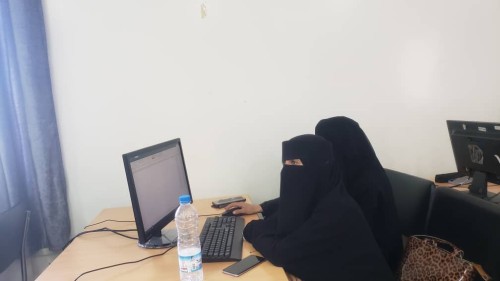
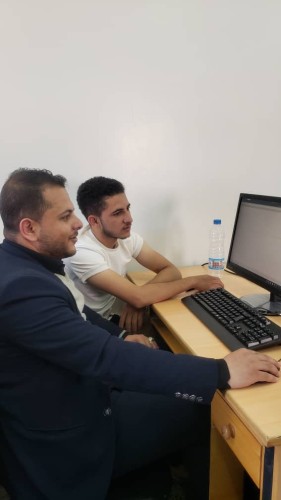
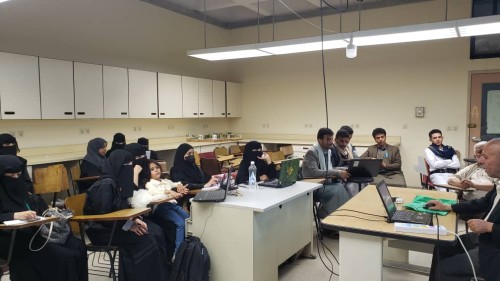
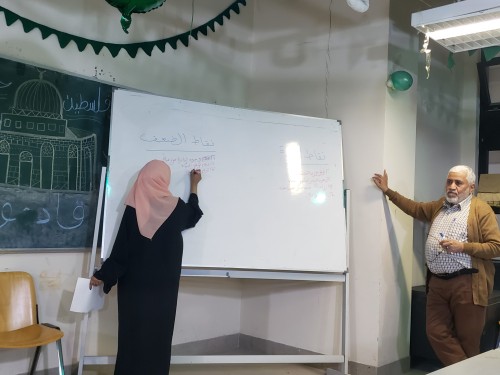
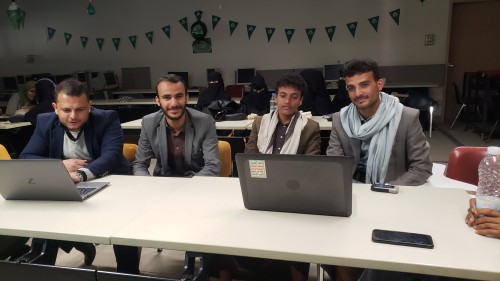
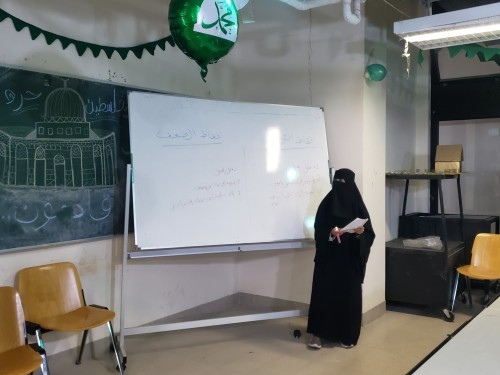
Recognizing the importance of data in modern agriculture, the program included intensive sessions in the computer lab. Students received training in SWOT analysis and learned to utilize SPSS and Microsoft Excel for data entry and statistical analysis. This segment aimed to bolster the students’ analytical capabilities, preparing them for evidence-based decision-making in their future careers.
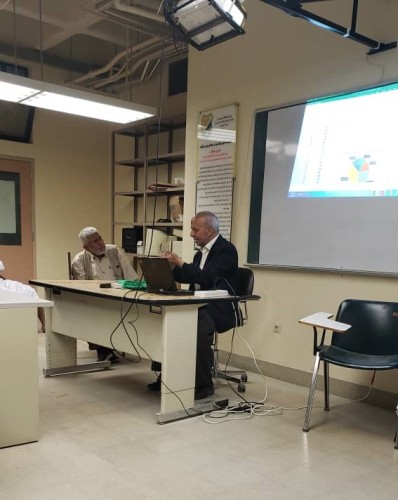
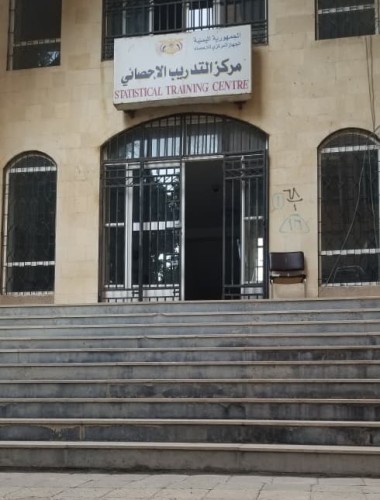
The training concluded with a professional visit to the Central Statistical Organization (CSO). During the visit, students were briefed on the functions of the Statistical Information Center and the various types of data collected regarding agricultural activities. Experts highlighted how this data is integrated into scientific research and national policy-making.
This comprehensive training program is a cornerstone of the Department’s strategic plan to qualify students for the competitive labor market. By integrating field expertise with statistical proficiency, the department ensures its graduates are well-equipped to contribute to agricultural research and sustainable development.