Department of Plant Protection Conducts Practical Session on Pesticide Toxicity and Rabbit Dissection for Senior Students
Monday, August 10, 2026 (Safar 26, 1448 AH)
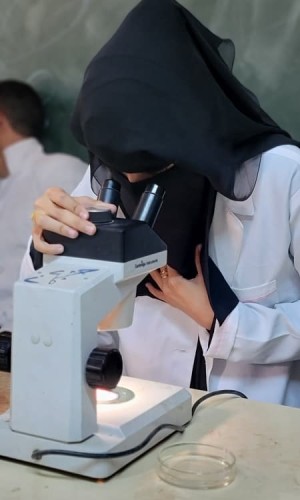
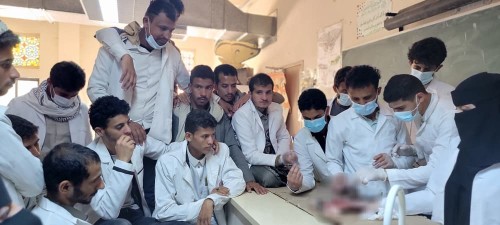
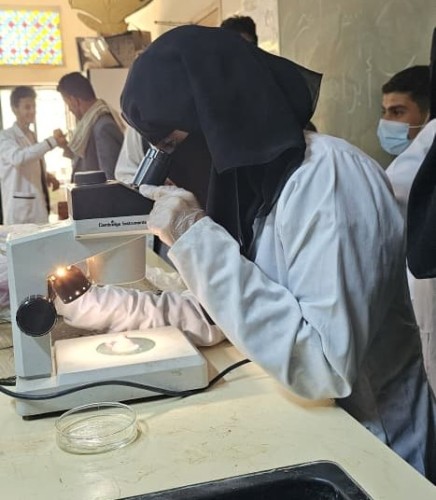
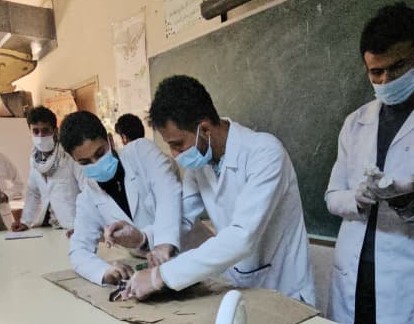
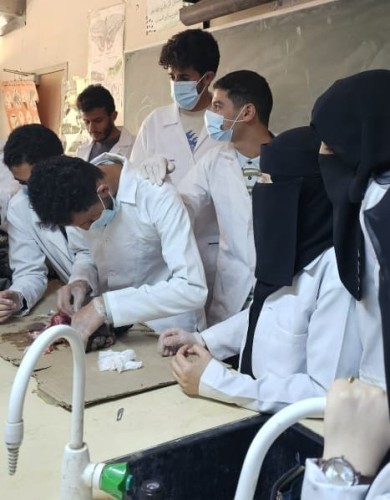
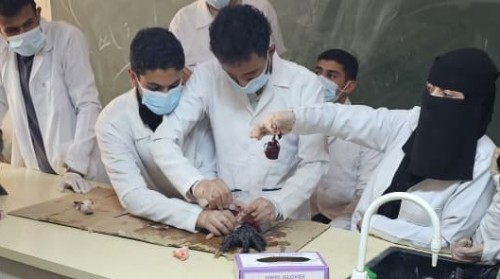
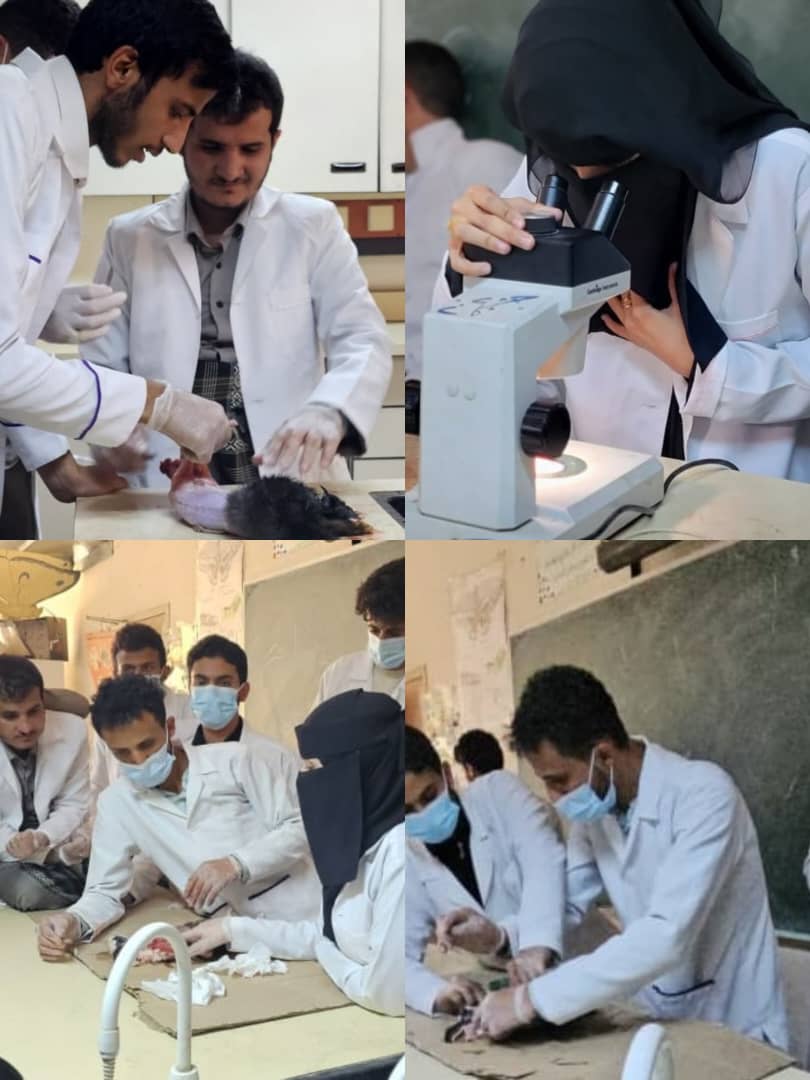
Fourth-year students in the Department of Plant Protection completed a practical laboratory session as part of the Pesticide Toxicity course, supervised by Teaching Assistant Eng. Safa Hadwan. The session aimed to reinforce practical learning and bridge theoretical knowledge with direct observation and experimentation.
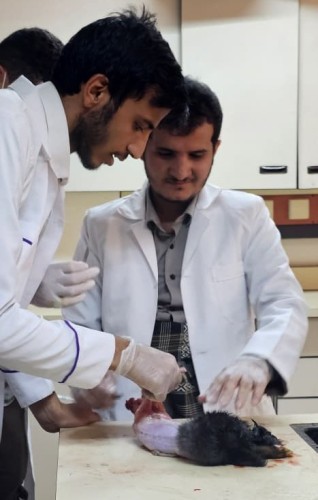
The practical work included rabbit dissection to examine internal organs and vital systems, with a primary focus on the nervous system and spinal cord, alongside studying the structure and functions of the digestive and respiratory systems.
This dissection phase was conducted prior to pesticide exposure to establish baseline observations of organ systems under normal conditions. These baseline findings will later be compared against post-exposure conditions to analyze differences, physiological changes, and potential toxicological damage.
The exercise aims to deepen students’ understanding of the mechanisms of action through which pesticides impact the nervous system, spinal cord, and other vital organs, as well as the potential hazards of pesticide exposure in living organisms, fostering awareness of safe and scientifically sound handling practices.
Additionally, the session enhanced student skills in dissection, precise observation, data recording, comparative analysis, and synthesizing theoretical concepts from the Pesticide Toxicity course into practical expertise for their academic and professional careers in plant protection.