Master’s Degree Awarded to Researcher Asrar Al-Hakim with Distinction in Food Science and Nutrition
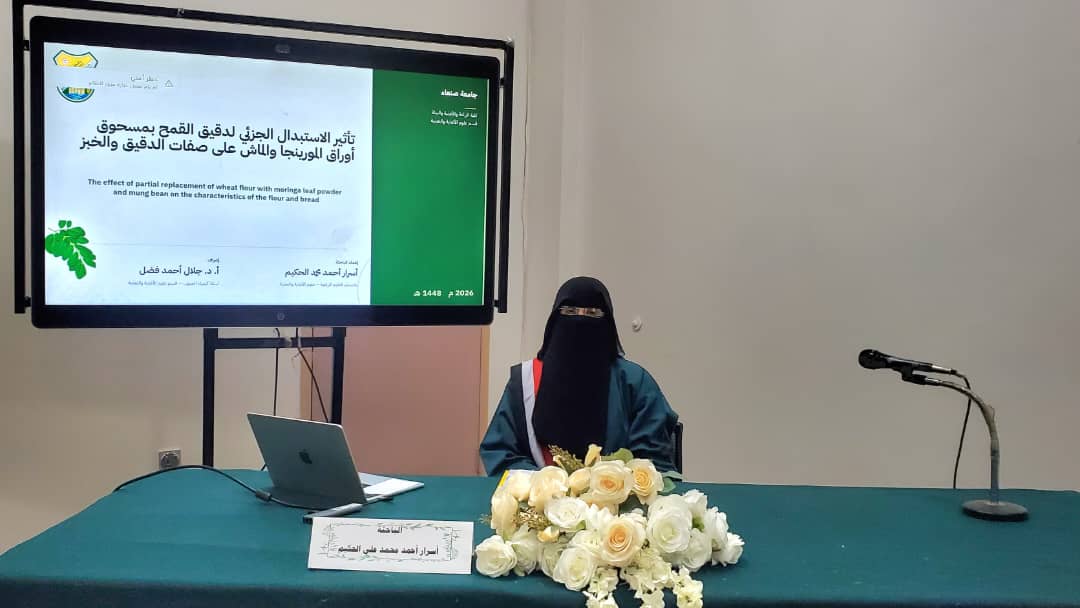
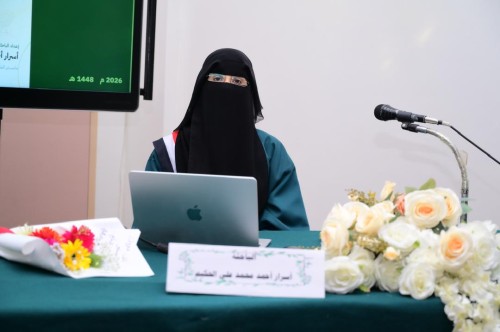
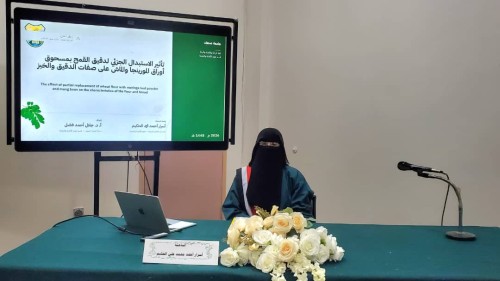
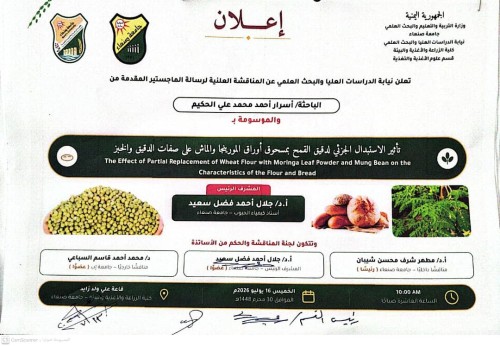
Researcher Asrar Al-Hakim was awarded a Master’s Degree in Food Science and Nutrition with an average of Excellent and a grade of (97%) for her thesis titled: Effect of Partial Substitution of Wheat Flour with Moringa Leaf Powder and Mung Bean Flour on the Properties of Flour and Bread, which was submitted to the Department of Food Science and Nutrition, Faculty of Agriculture, Food and Environment – Sana’a University. The MA defense was held on Thursday, July 16, 2026.
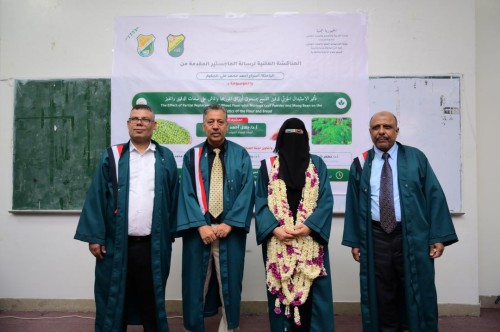
The MA Viva-voce Committee, which was formed based on a resolution issued by the Graduate Studies and Scientific Research Council, consisted of the following:
# | Committee Members | Designation | Position |
1 | Prof. Mutahar Sharaf Mohsen Shaiban | Internal Examiner | Chair |
2 | Assoc. Prof. Jalal Ahmed Fadhl Saeed | Main Supervisor | Member |
3 | Dr. Mohammed Ahmed Qasim Al-Subaie | External Examiner | Member |
The study aimed to evaluate the effects of partially substituting wheat flour with moringa leaf powder and mung bean flour (both germinated and non-germinated) on the chemical and rheological properties of flour, and to assess how these changes influence bread quality and sensory acceptability. The study also sought to contribute to the production of nutritionally enriched bread, promote the utilization of locally available resources, and reduce dependence on imported wheat.
The findings demonstrated that partial substitution with moringa leaf powder and mung bean flour significantly enhanced the nutritional value of both flour and bread by increasing their protein, fiber, and ash contents. However, certain rheological properties and bread quality characteristics varied according to the substitution levels. The study further revealed that incorporating up to 5% moringa leaf powder together with 10–15% mung bean flour produced bread with enhanced nutritional value while maintaining acceptable sensory quality.
The study recommended using moringa leaf powder at levels not exceeding 5% and mung bean flour at 10–15% in the production of fortified bread, together with dough improvers to enhance dough properties. It also recommended expanding the use of composite flours in a wide range of bakery products, conducting further studies to evaluate product quality during storage, and promoting the cultivation and utilization of moringa and mung bean in the food industry to strengthen food security and reduce reliance on imported wheat.
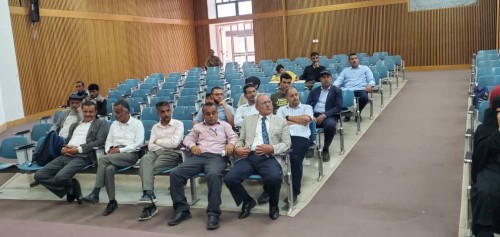
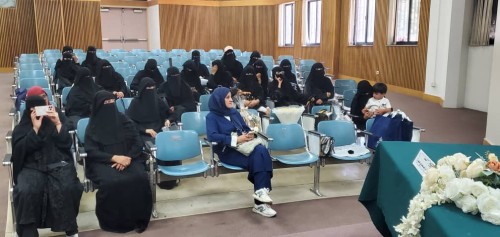
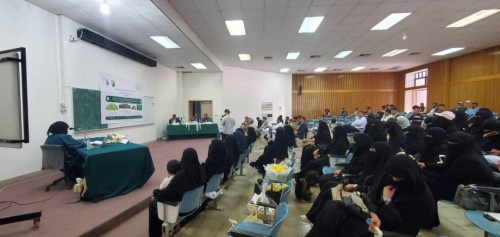
The thesis defense was attended by faculty members, researchers, students, and interested participants as well as the researcher’s colleagues and family members.
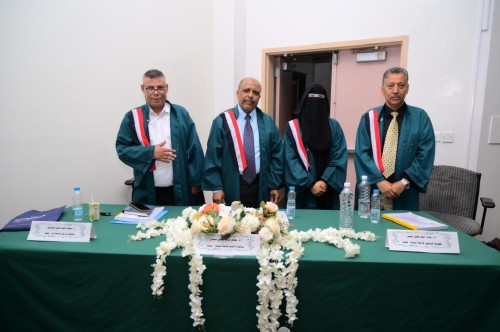

The MA Viva-voce Committee Resolution