Department of Agricultural Engineering Hosts Specialized Training on Solar-Powered Water Pumping Systems

Saturday, April 18, 2026
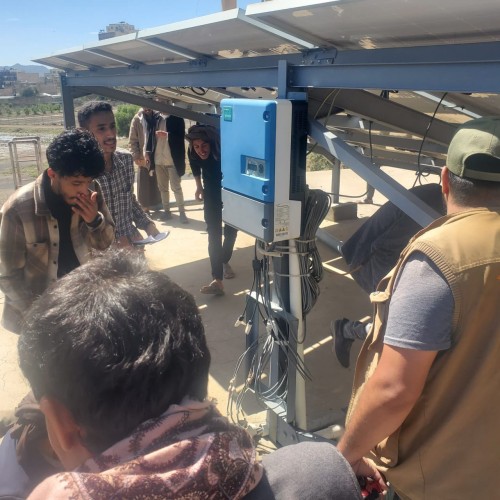
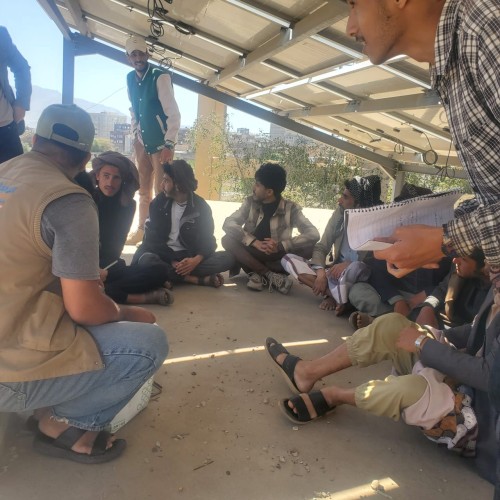
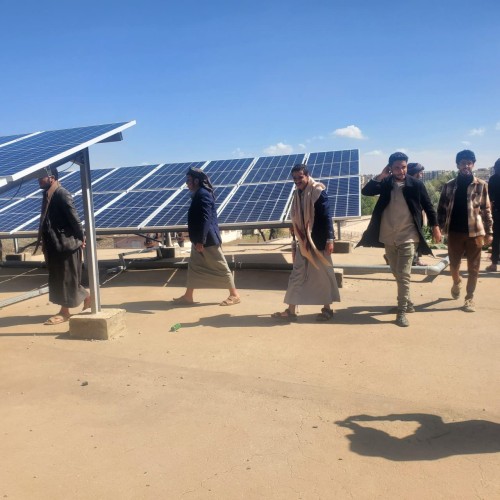
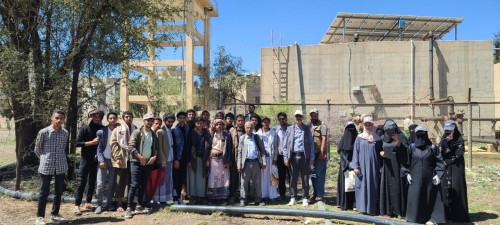
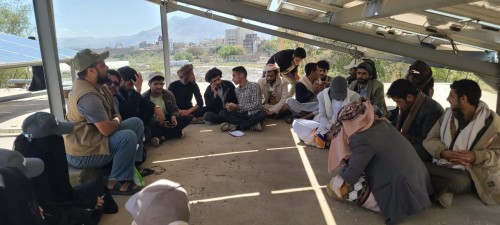
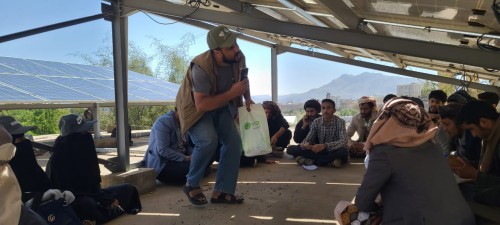
As part of its commitment to advancing clean energy solutions and reducing reliance on traditional fossil fuels, Department of Agricultural Engineering and Modern Technologies at the Faculty of Agriculture, Food, and Environment recently organized a specialized training program on Solar Photovoltaic (PV) Water Pumping Systems.
The program was designed to enhance the technical proficiency of engineering and technical staff in the design, operation, and maintenance of solar pumping systems—a critical technology for sustainable water management in agricultural regions.
The training combined theoretical foundations with practical applications, covering the full lifecycle of a solar pumping project:
– System Design & Sizing: Participants learned to determine daily water requirements, calculate flow rates, and determine the Total Dynamic Head (TDH) while accounting for pipe friction losses.
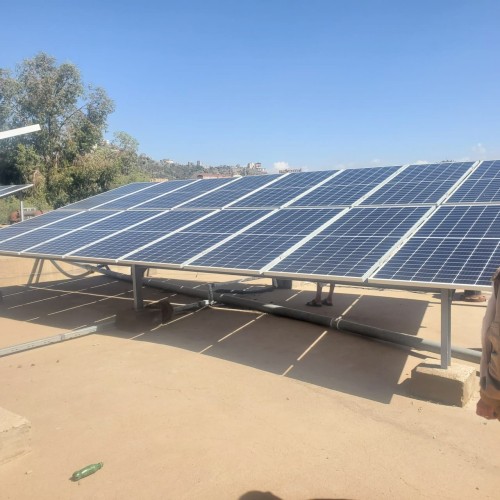
– Component Selection: Guidance was provided on selecting appropriate pumps and designing solar PV arrays tailored to specific pump capacities and site-specific solar irradiance.
– Power Electronics: The sessions covered the integration of specialized solar inverters and pump controllers to optimize system efficiency.
– Infrastructure & Balance of System (BOS): Engineering calculations for storage tank capacity and balancing daily production with consumption rates.
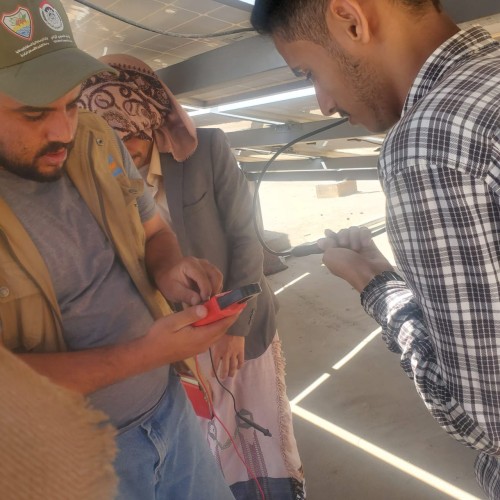
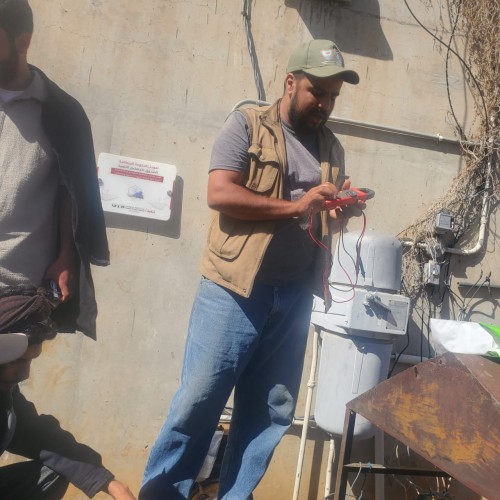
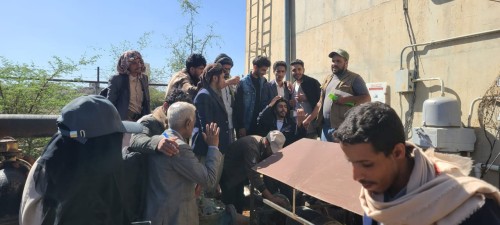
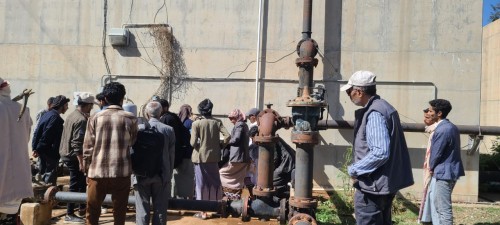
The program emphasized hands-on technical skills, including electrical installations for both DC and AC circuits, implementation of system protections against lightning strikes and reverse current as well as programming inverters and calibrating pump controllers for precise start/stop parameters.
A significant portion of the training focused on long-term system reliability. This included routine inspection protocols, measuring voltage and current outputs, and benchmarking actual performance against theoretical yields. High emphasis was placed on occupational safety, particularly when handling high-voltage DC arrays.
The organizers underscored that mastering these technical skills is vital for promoting energy efficiency, ensuring the sustainability of agricultural projects, and maximizing the return on investment for renewable energy infrastructure.
Training Supervisors:
– Dr. Sameer Al-Mashrqi
– Dr. Sulaiman Sahari
– Ms. Samar Al-Sulwi
– Mr. Ahmed Al-Ghaithi












You may also like
Field Visit to Yemen Dairy Farm in Dhamar
21 August, 2026