Radiology, Diagnostic Medical Imaging Students Present Modern Cancer Treatment Techniques, Artificial Intelligence Applications
Tuesday, August 18, 2026 (5 Rabi’ al-Awwal 1448 AH)
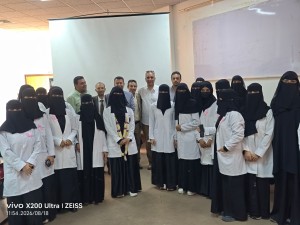
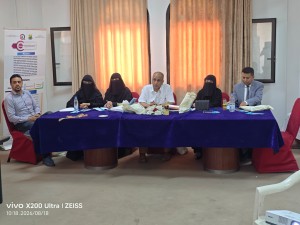
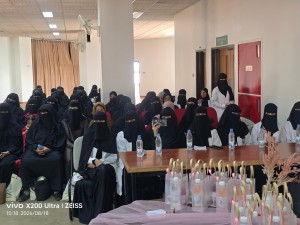
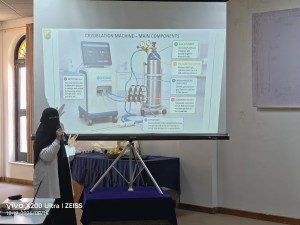
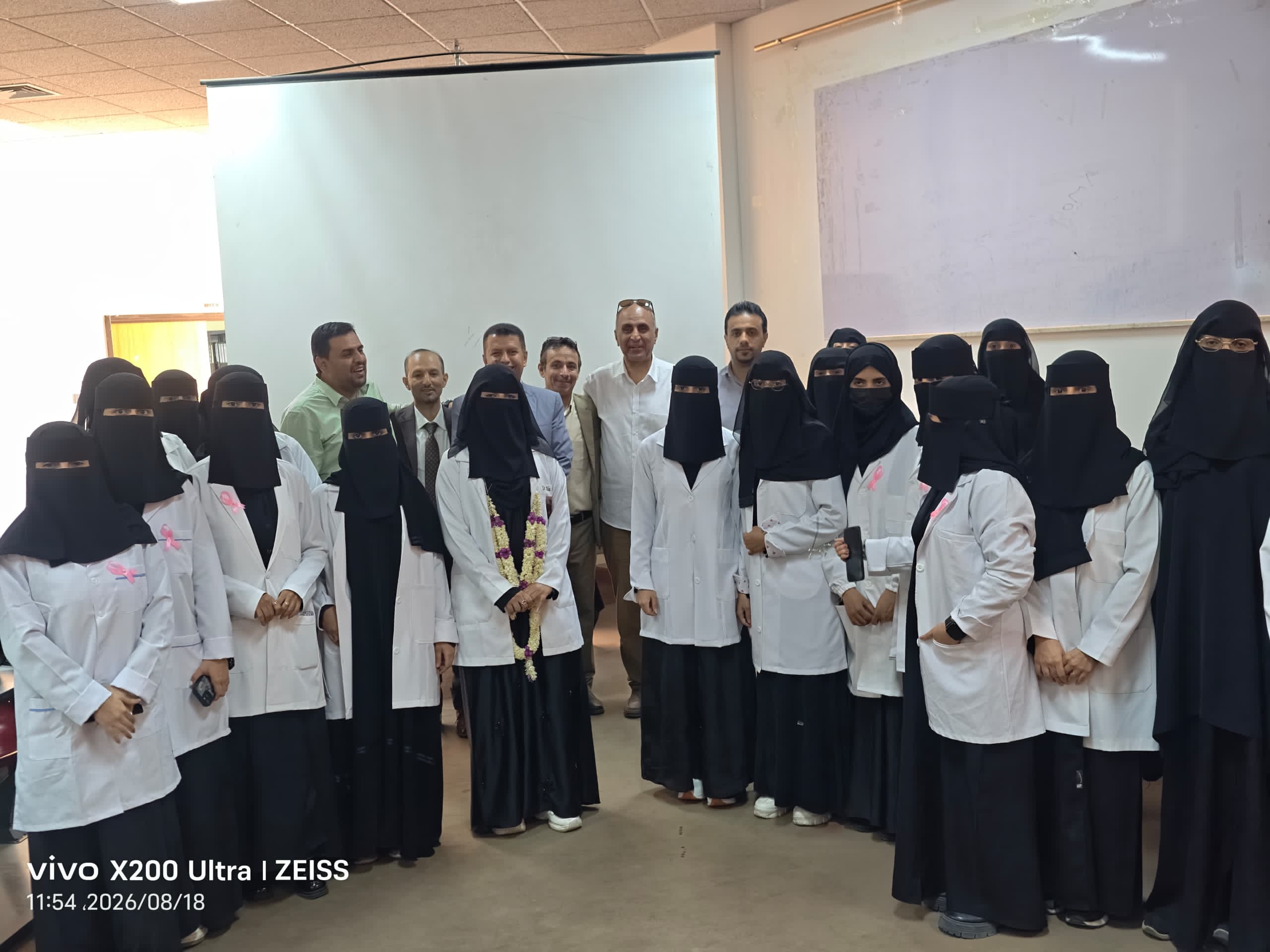
Fourth-level students in the Bachelor’s Program in Radiology and Diagnostic Medical Imaging at the Faculty of Applied Medical Sciences, Sana’a University, held a scientific seminar today addressing the latest technologies used in the diagnosis and treatment of cancer, as well as applications of artificial intelligence in radiology and diagnostic medical imaging. The seminar was organized as part of the program’s academic and scientific activities and its efforts to keep pace with rapid developments in the field.
The seminar reviewed a number of modern techniques used in the treatment of certain tumors, most notably cryoablation and radiofrequency ablation (RFA). The students explained the principles underlying these techniques and their clinical applications, as well as the role of medical imaging in identifying tumors, planning and guiding therapeutic procedures, and monitoring treatment outcomes.
The students also addressed applications of artificial intelligence in radiology and medical imaging and its growing role in analyzing medical images, assisting in the detection and classification of certain pathological changes, improving workflow efficiency, and supporting clinical decision-making. They emphasized the importance of using AI as an assistive tool for specialists rather than as a substitute for physicians’ expertise and clinical judgment.
The presentations further explored recent developments in image-guided therapeutic interventions and highlighted the importance of advanced imaging technologies in supporting accurate diagnosis, planning therapeutic procedures, and monitoring patients’ responses to treatment.
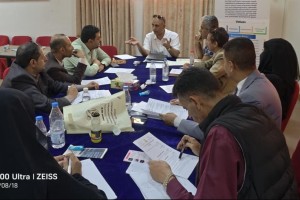
The seminar was attended by Prof. Khaled Saad Al-Khamisi, Dean of the Faculty of Applied Medical Sciences; Dr. Mushtaq Al-Azaizi, Head of the Department of Radiology and Diagnostic Medical Imaging; and a number of faculty members and academic staff.
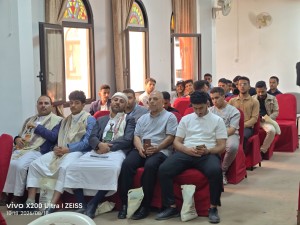
Attendees commended the high academic standard of the students’ presentations, emphasizing the importance of scientific seminars in developing students’ research, presentation, and discussion skills; linking theoretical knowledge with practical applications and modern technologies; and encouraging students to keep pace with digital developments and artificial intelligence in their field of specialization.
The Dean of the Faculty emphasized the importance of continuing to develop scientific and research activities and creating an educational environment that keeps pace with digital transformation and advances in the medical sciences. Such efforts, he noted, contribute to preparing specialized graduates equipped with the knowledge and skills necessary to meet future developments in radiology and medical imaging.
The seminar forms part of the Faculty of Applied Medical Sciences’ efforts to foster a culture of scientific research and lifelong learning, enable students to stay abreast of the latest scientific and technological developments, and enhance their academic and professional preparedness.