Faculty of Arts & Humanities
Faculty of Arts & Humanities | SU
Faculty of Arts & Humanities | SU
Humanities studies at Sana'a University began with the establishment of the university in 1970, under the umbrella of the Faculty of Education, which admitted its first batch of students the same year. The initial number of enrolled students in that year was 64, with 12 of them being admitted to the then Arts Department. In 1971, a new college was founded, which included the departments of arts, education, and sciences. Subsequently, in 1973, the Faculty of Arts was established as an autonomous institution within Sana'a University, comprising five departments: Arabic Language, English Language, History, Geography, and Social Sciences. This significant year in the history of the Faculty was also marked by the graduation of the first group comprising nine students.
Since then, the Faculty has experienced remarkable growth, introducing new learning programs and opening new departments (the most recent of which is the African Studies Dept. in 2024) to reach so far a total of 13 departments so far. Additionally, it has been able to keep pace with and make efficient use of modern digital advances; the SAR system, for example, has been utilized over the last five years (2020-2025) to issue graduation documents. All these efforts to improve the Faculty’s academic and administrative performance culminated in earning the Academic Accreditation Board’s institutional accreditation award for 2025 (the Diamond Category) and holding a distinguished standing among the colleges of Sana’a University, which demonstrates the outstanding performance and dedication of the faculty staff at both academic and administrative levels.
The Faculty's commitment to academic excellence has extended beyond undergraduate studies to offer postgraduate programs across the fields of Arts and Humanities, which allows dedicated graduates to pursue diplomas, master's degrees, and doctoral degrees.
The Faculty of Arts and Humanities strives to achieve academic and cultural excellence in the development of scientific research, community service, and meeting the labor market’s needs locally, regionally, and internationally.
The Faculty of Arts and Humanities seeks, through its diverse programs, to establish a distinctive academic and intellectual educational system. It aims to prepare trained and qualified cadres whose skills and knowledge align with the requirements of the local, regional, Arab, and international labor markets. The Faculty seeks to develop the students’ creative skills that can contribute to sustainable development while preserving national and Islamic identity.
Since 1970
Currently Enrolled Students
Total Graduates
International & Local Accreditation Standards
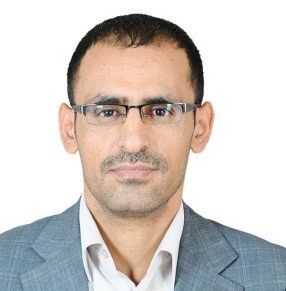
Dean of the Faculty
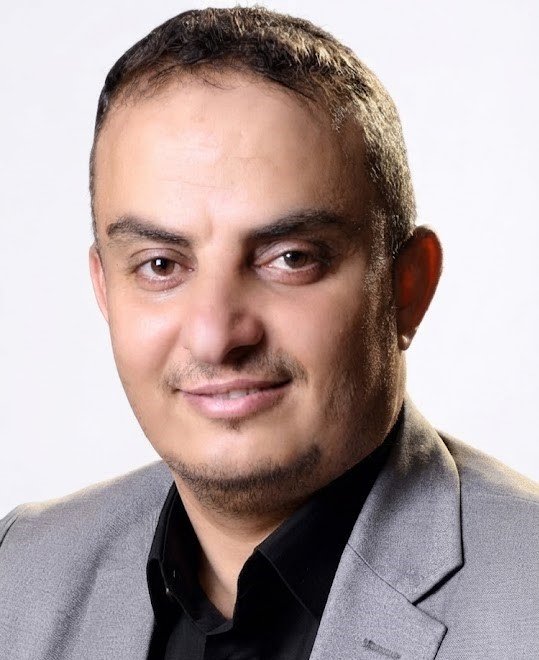
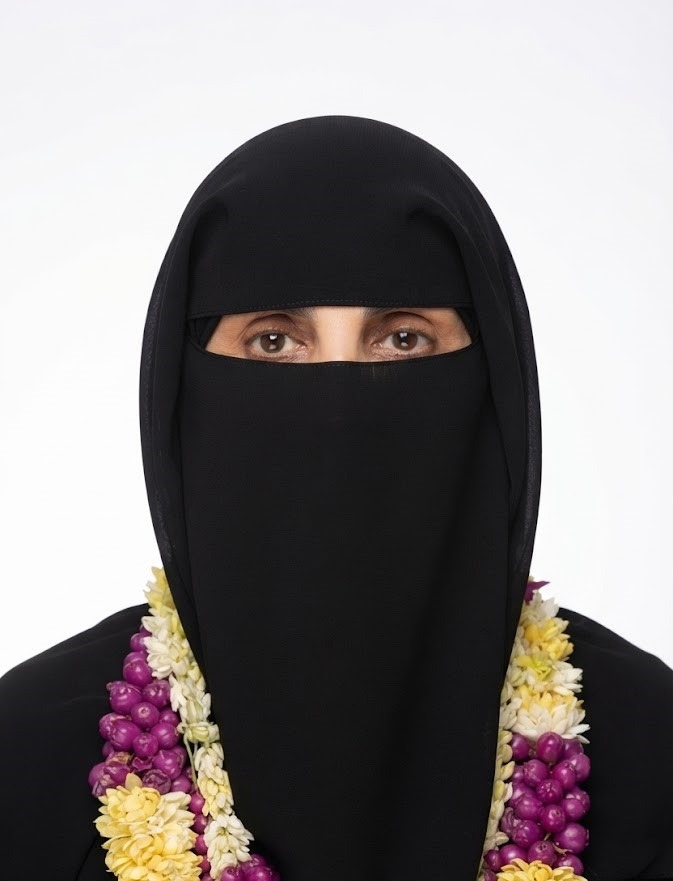
Vice-Dean for Academic Affairs and Postgraduate Studies
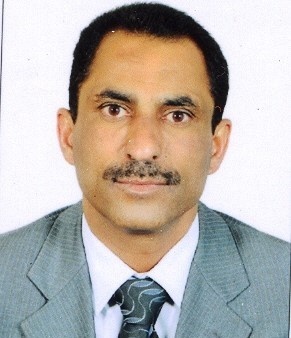
Vice-Dean for Community Service
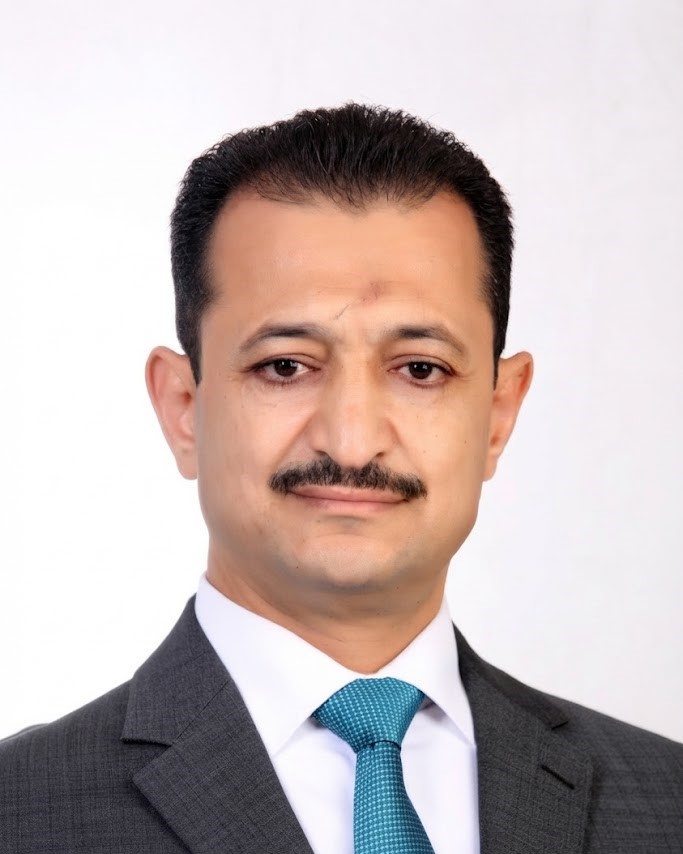
Vice-Dean for Student Affairs
Vice-Dean for Quality Assurance
The Faculty comprises thirteen academic departments offering bachelor's and postgraduate programs.
Teaching Arabic language and literature, preparing specialists in linguistics and literary criticism.
Study of ancient and Islamic archaeology and tourism, discovering and preserving Yemeni heritage.
Study of ancient, medieval, Islamic, modern, and contemporary history, and international relations.
Combines theoretical study and fieldwork in geography and GIS.
Qualifying scientific and professional cadres in social work to deal with social problems.
Study of Islamic Sharia sciences and consolidation of correct Islamic concepts.
Study of philosophical thought across ages and developing critical thinking skills.
Offering academic programs in English language, literature, and translation.
Teaching French as a foreign language, translation, and French literature.
Study of social structures, phenomena, development issues, and social change.
Understanding human behavior and mental processes, enhancing mental health.
Knowledge and information management including collection, organization, documentation, archiving, and retrieval.
Understanding the African continent in terms of history, languages, cultures, political and economic developments.
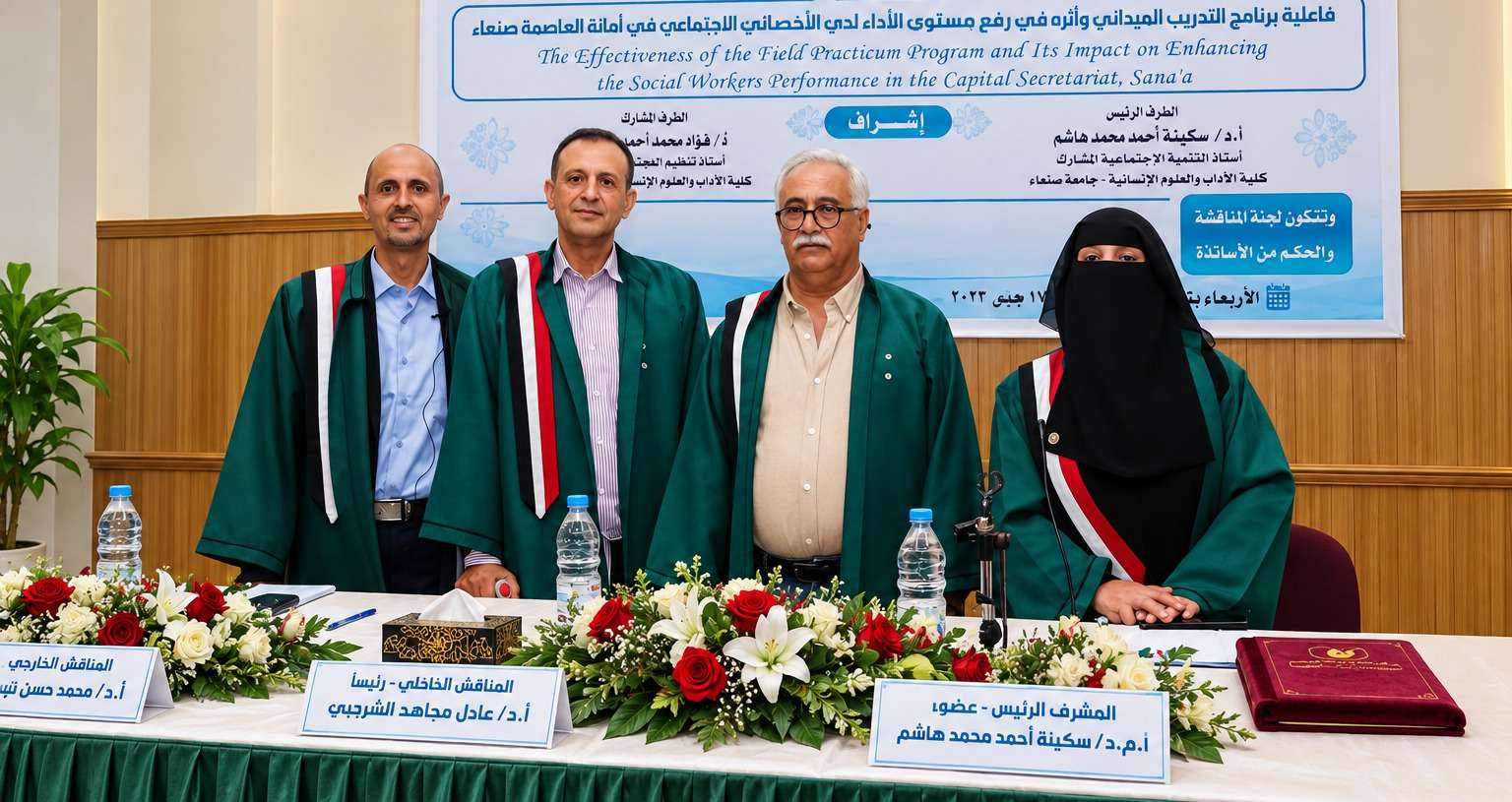
The media portal provides daily coverage of the most important news, events, and scientific articles of the college.
Go to Media Portal