Prostate and Bladder Cancer Conference Kicks Off in Sana’a

November 5, 2025 – Sana’a, Yemen (14 Jumada al-Awwal 1447 AH)
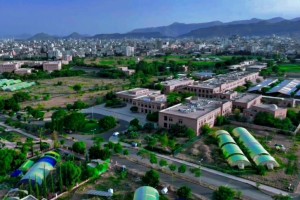
Under the patronage of the Minister of Health and Environment, Dr. Ali Shaiban, the Prostate and Bladder Cancer Conference commenced today in the capital, Sana’a. The two-day event is organized by the National Oncology Center in collaboration with the Cancer Control Fund, the National Cancer Foundation, and the Faculty of Medicine and Health Sciences at Sana’a University. The conference, hosted by Sana’a University’s Faculty of Medicine, brings together a distinguished group of physicians, consultants, and academics from various medical specialties.
In his opening remarks, Prof. Mohammed Al-Bukhaiti, Rector of Sana’a University, highlighted the importance of holding such a scientific conference, describing it as a vital platform for researchers and specialists to exchange knowledge, share experiences, and discuss the latest scientific developments in the treatment and surgery of prostate and bladder cancers.
“Over the past decade, Yemen has faced significant medical challenges due to the ongoing aggression and blockade,” Prof. Al-Bukhaiti said. “Many Yemenis were once forced to travel abroad for treatment; however, through self-reliance, we have managed to advance our medical and surgical capabilities. We take pride in achieving excellence and innovation despite adversity, particularly in specialized medical and surgical fields. At Sana’a University, and specifically within the Faculty of Medicine, we are committed to holding monthly scientific meetings that bring together postgraduate students, consultants, and specialists. We also invite all hospitals, research centers, and universities—public and private alike—to participate in these academic initiatives.”
Conference Chair Dr. Abdullah Thawabah noted that the two-day event features more than 16 scientific papers and research presentations, focusing on the latest advances in the diagnosis and treatment of prostate and bladder cancers. He explained that the conference aims to come out with a set of practical and scientific recommendations that will enhance diagnostic and treatment services and promote national collaboration in combating these cancers.
Dr. Antar Al-Afari, Head of Surgery Department at Al-Amal Oncology Hospital and Deputy Chair of the Conference, emphasized that such scientific gatherings offer valuable opportunities for exchanging expertise, especially in oncology, which requires a multidisciplinary approach to treatment planning. He expressed hope that the conference’s outcomes would align with the country’s healthcare capabilities and resources.
During the opening session—attended by Dr. Mohammed Al-Shahari, Dean of the Faculty of Medicine and Health Sciences, along with a number of academics, consultants, and specialists—Dr. Adnan Al-Baadani, Consultant Urologist, noted that the conference serves as an important forum for medical professionals to discuss recent advances in cancer treatment. He stressed that late diagnosis remains one of the main factors behind low recovery rates in Yemen, underscoring the need to raise public awareness about the importance of early medical consultation.
Meanwhile, Dr. Nashwan Al-Shamahi, Consultant Radiologist, pointed out that accurate diagnosis is the cornerstone of successful treatment. He added that advanced imaging technologies, such as MRI and CT scans, are now available in Yemen, enabling local diagnostic services to meet international standards.
Dr. Fadhl Al-Najri, Oncology Consultant, described the conference as a significant scientific milestone that strengthens collaboration among doctors, surgeons, and specialists in related fields. He expressed confidence that the conference’s outcomes would contribute to improving the skills of medical professionals and enhancing the quality of patient care.
The Prostate and Bladder Cancer Conference marks a key step forward in advancing medical research in Yemen. It reflects the country’s growing commitment to strengthening local healthcare capacities and providing high-quality medical services to the community.


Discover more from Sana'a University
Subscribe to get the latest posts sent to your email.