Health Minister Visits Sana’a University’s Faculty of Medicine, Reviews CPR Training Program for Internship Students
Sana’a –Thursday, July 3, 2025 (corresponding to 8 Muharram 1447 Hijri)
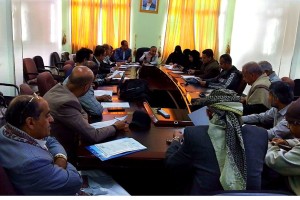
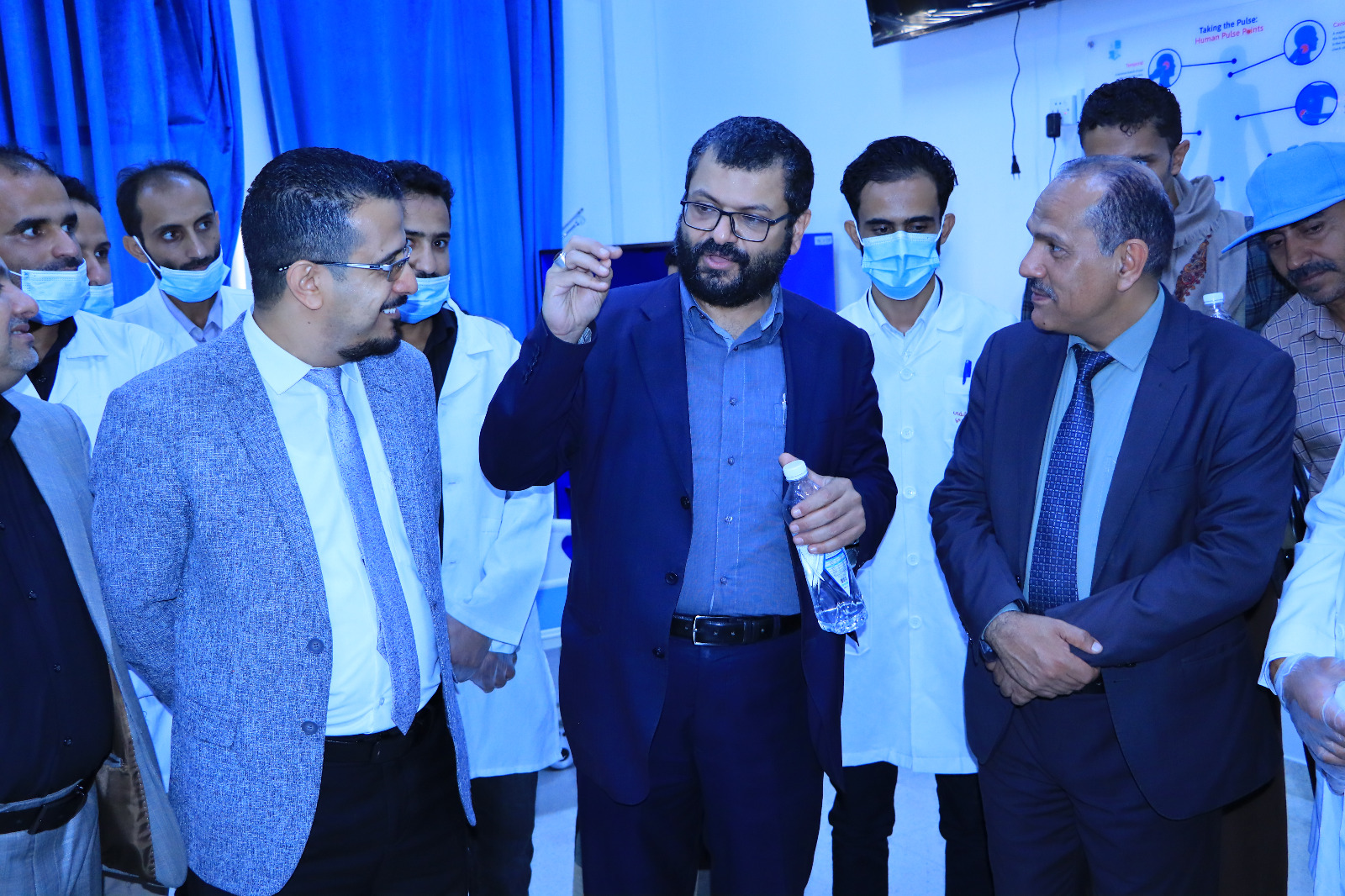
The Minister of Public Health & Environment, Prof. Ali Abdulkarim Shaiban, visited the Faculty of Medicine and Health Sciences at Sana’a University today. He was received by the University Rector, Prof. Mohammed Ahmed Al-Bukhaiti; the Dean of the Faculty, Prof. Mohammed Al-Shahari; and the Vice Dean for Hospital Affairs, Prof. Anwar Al-Moghallis.
During the visit, the Minister was briefed on the progress of the “Advanced Cardiac Life Support – Basic Life Support (ACLS-BLS) course,” which is designated for internship students (the 35th Batch of Human Medicine). The program aims to enhance the clinical and practical skills of students before they enter the job market.
The Dean of the Faculty and the Vice Dean provided a comprehensive explanation of the course content, the practical training mechanism using the latest educational tools, and the extent of student interaction with the program. This program is being implemented for the first time as an independent course within the modern clinical training plan.
On this occasion, the Minister of Health praised the level of preparation and implementation of the course, stressing the importance of such programs in developing the skills of young medical staff. He called on the students to be diligent and strive for excellence, and to apply their acquired skills in the health work fields.
For his part, the Rector of Sana’a University, Prof. Mohammed Ahmed Al-Bukhaiti, affirmed that the university pays great attention to qualifying graduates of medical faculties through modern training programs. He indicated that the university is working to open advanced programs that contribute to graduating medical cadres capable of meeting the needs of the community and the labor market.
This visit comes as part of the plans of Sana’a University and the Ministry of Health towards raising the quality of medical education and clinical training, and achieving excellence in higher education outcomes, in line with the requirements of the health sector and the needs of the community.


Discover more from Sana'a University
Subscribe to get the latest posts sent to your email.