Master’s Degree Awarded to Ms. Sarah Ali Al-Zamzami in Oral and Maxillofacial Surgery
- Categories Letters and Promotions - Graduate Studies, news, Regulations - Postgraduate Studies
- Date September 9, 2025
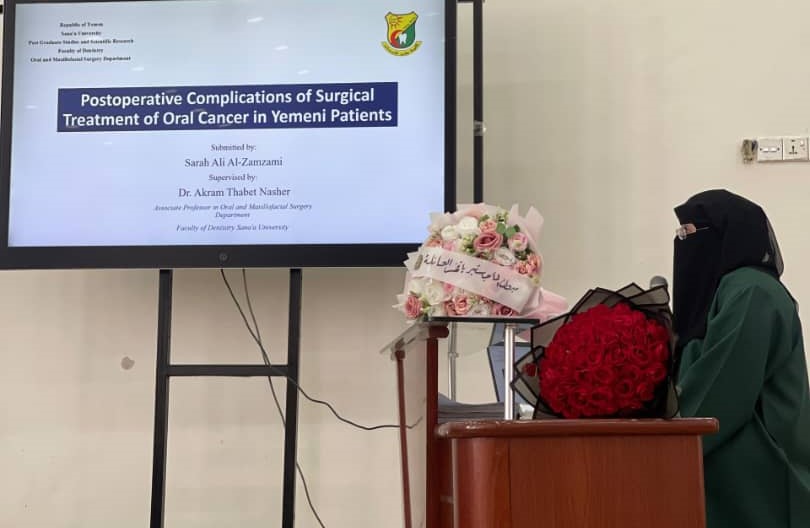
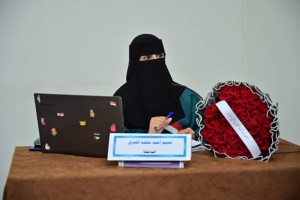
Ms. Sarah Ali Ali Muthanna Al-Zamzami was awarded a Master’s degree in Oral and Maxillofacial Surgery with distinction for her thesis titled: Post-operative Complications of Surgical Treatment of Oral Cancer in Yemeni Patients, which was submitted to the Department of Oral and Maxillofacial Surgery at the Faculty of Dentistry – Sana’a University. The MA defense was held on Monday, August 4, 2025.
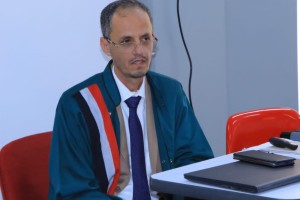
The MA Viva-voce Committee, which was formed based on a resolution issued by the Graduate Studies and Scientific Research Council, consisted of the following:
| # | Committee Members | Designation | University | Position |
| 1 | Assoc. Prof. Nashwan Al-Tairi | External Examiner | Thamar University | Chair |
| 2 | Assoc. Prof. Akram Thabet Nasher | Main Supervisor | Sana’a University | Member |
| 3 | Assoc. Prof. Sam Daer | Internal Examiner | Sana’a University | Member |
The study aimed to investigate the most common complications experienced by oral cancer patients following surgical treatment and to examine their correlation with variables such as patient age, gender, tumor type and location, tumor stage, and degree of malignancy.
The Study yielded the following findings:
- Male patients accounted for 5%, while female patients accounted for 45.5% of cases. The highest incidence occurred among individuals aged 40–60 years (78.8%).
- All patients were clinically and histologically diagnosed with Squamous Cell Carcinoma.
- The most common complications experienced by oral cancer patients after surgical treatment included:
- Difficulty chewing (81.8%)
- Speech difficulties (72.7%)
- Difficulty swallowing (51.5%)
- Taste alterations (48.5%)
- Changes in appearance (42.4%)
- Neurological complications (36.4%)
- 4% of complications were associated with tongue cancer, while 30.3% were linked to gingival cancer.
- Stage II tumors were the most common (6%), and Grade II was the most frequent (54.5%).
The researcher concluded her thesis with the following key recommendations:
- Developing standardized post-operative care protocols targeting common complications such as difficulties in chewing, speaking, and swallowing, given their significant impact on patients’ vital functions and quality of life.
- Implementing multidisciplinary rehabilitation programs, including speech therapy and nutritional counseling, to support functional recovery.
- Enhancing clinical training for healthcare professionals on early detection and rapid intervention for complications such as pain, muscle contracture, and orocutaneous fistula.
- Adopting individualized treatment plans that address patient-specific differences regardless of age, gender, or tumor grade.
- Conducting future studies with larger sample sizes and extended follow-up periods to better understand the factors influencing post-surgical complications and improve clinical outcomes.
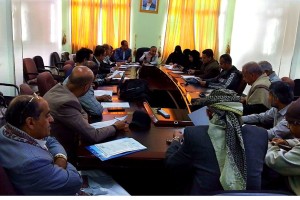
The defense session was attended by a number of academics, researchers, colleagues, and the researcher’s family members.


[/embed]
Discover more from Sana'a University
Subscribe to get the latest posts sent to your email.

Previous post
PhD Degree Awarded to Mr. Fawaz Hassan Al-Hayyani in Ancient Archaeology
Next post