Sana’a University Cardiac and Catheterization Center Saves Young Patient with High-Risk Pulmonary Embolism Using Advanced Catheter-Based Technique
Sana’a – Sana’a University Media
Sunday, July 5, 2026, corresponding to Muharram 20, 1448 AH
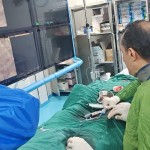
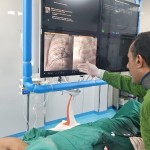
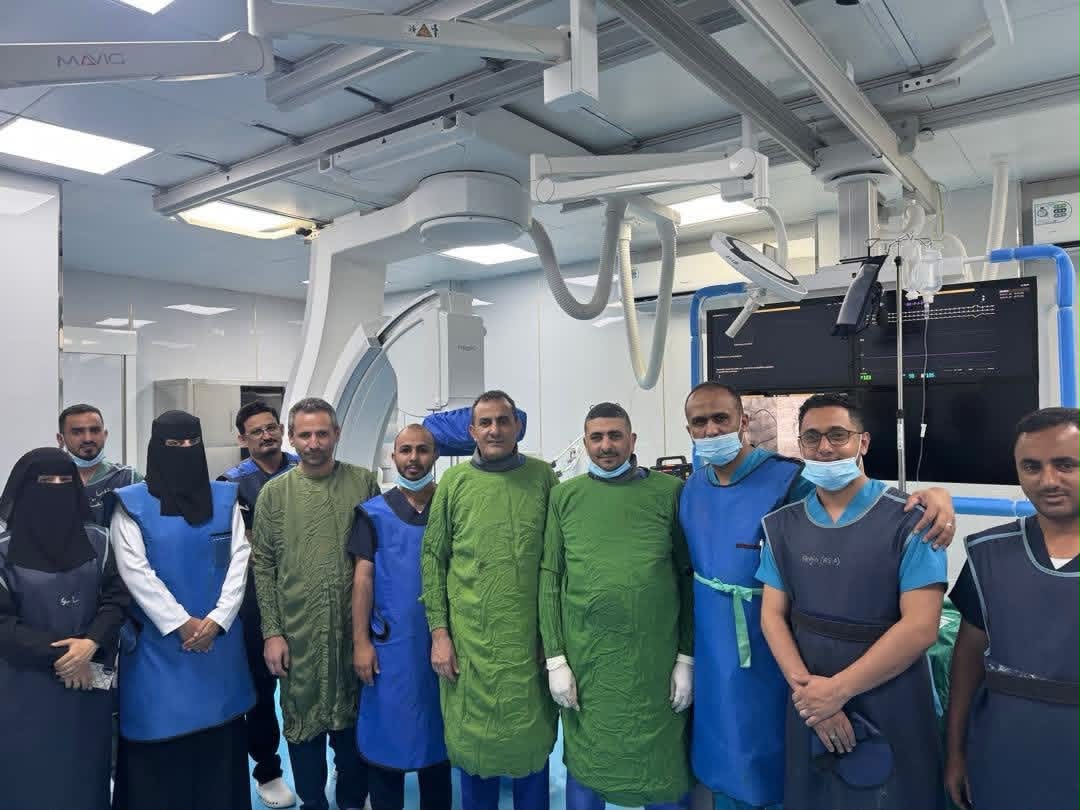
The Cardiac and Catheterization Center at Sana’a University has achieved a significant medical milestone after its catheterization team, led by Prof. Salah Al-Shawki, Director of the Center, successfully performed a highly specialized and complex surgery that saved the life of a young patient suffering from an acute, high-risk pulmonary embolism. The intervention was undertaken after conventional clot-dissolving medication failed to improve the patient’s condition, placing his life in imminent danger.
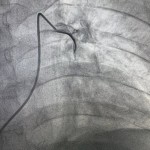
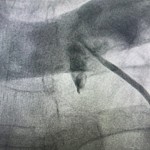
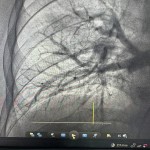
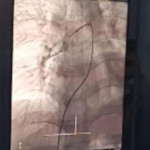
Given the severity of the pulmonary artery obstruction, the medical team carried out an emergency surgery using Directed Catheter Aspiration and Mechanical Thrombectomy for Acute Massive Pulmonary Embolism, one of the most advanced catheter-based techniques currently employed worldwide for the treatment of life-threatening pulmonary embolism. The operation successfully restored blood flow by removing the obstruction from the pulmonary artery, resulting in an immediate and significant improvement in the patient’s condition.
Following the successful intervention, the patient was transferred from the intensive care unit (ICU) to the inpatient ward the next day and was subsequently discharged home in stable health, highlighting the effectiveness of the procedure and the prompt medical response.
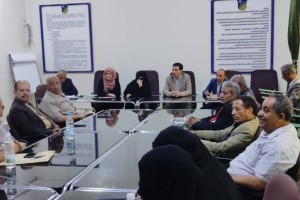
Commenting on the achievement, Prof. Salah Al-Shawki, Director of the University Cardiac and Catheterization Center, attributed the success first to the grace of God and then to the coordinated efforts of the Center’s multidisciplinary medical, nursing, and technical teams, as well as their continued commitment to applying the latest advances in interventional cardiology and vascular procedures.
Prof. Al-Shawki explained that acute pulmonary embolism is among the most critical medical emergencies, requiring rapid diagnosis and immediate intervention. After thrombolytic therapy proved unsuccessful, the team proceeded with catheter-based treatment, successfully removing the clot and saving the patient’s life, enabling his rapid recovery and discharge following stabilization.
He added that the University Cardiac and Catheterization Center continues to expand its specialized services and perform complex interventional operations through highly qualified Yemeni medical professionals working in accordance with the latest international medical standards. These efforts provide advanced healthcare services within Yemen while reducing the need for patients to seek costly treatment abroad.
This achievement further reinforces the Center’s growing reputation in the fields of interventional cardiology and vascular interventions, reflecting the expertise of its specialized medical staff, its modern facilities, and its capability to manage complex and life-threatening cases with a high degree of professionalism.
The successful procedure also highlights the Center’s humanitarian and national commitment to making advanced medical care accessible. The intervention was performed at a symbolic cost of only US $150, compared with approximately US $8,000 at many medical centers outside Yemen. This substantial difference enhances access to advanced, high-quality treatment within the country and demonstrates that Yemeni medical professionals are capable of delivering healthcare services comparable to those provided by leading specialized centers across the region and internationally.